Sensitive Skin Skincare: How to Read Ingredient Labels and Choose Barrier-Supporting Products
Sensitive Skin Skincare: How to Read Ingredient Labels and Choose Barrier-Supporting Products In our National Beauty Month guide, we explored how barrier health, hormones, stress physiology, and the gut–skin axis influence skin sensitivity. We looked at the internal drivers — the biological systems shaping how your skin behaves. Now let’s shift the lens outward. Because once you understand why your skin reacts, the next powerful step is learning how to choose products with intention. Not based on marketing claims. Not based on trends. But based on formulation logic and ingredient literacy. Sensitive skin does not require fewer products. It requires better decisions. And those decisions begin with understanding what’s actually inside the bottle. The Truth About “For Sensitive Skin” Labels If you’ve ever stood in a skincare aisle, you’ve likely noticed how many products are labeled “for sensitive skin.” It sounds reassuring. But here’s something many consumers don’t realize: in most markets, that phrase is not tightly regulated. A product can be labeled for sensitive skin without meeting standardized criteria. That doesn’t mean those products aren’t helpful — it simply means the front label should not be your only guide. Instead, turn the bottle around. The ingredient list tells a more honest story. A thoughtfully formulated product for reactive skin often has a focused ingredient list. Not minimal for the sake of minimalism — but purposeful. Ingredients should serve a function. Support hydration. Reinforce lipids. Calm inflammation. Maintain pH balance. When you learn to read labels with intention, you begin to recognize patterns. And that’s when your skincare decisions shift from reactive to strategic. Understanding What Sensitive Skin Actually Needs At its core, sensitive skin benefits from structural support. The barrier — that thin but powerful outer layer — depends on a specific lipid composition to function properly. Ceramides, cholesterol, and fatty acids are not trendy ingredients. They are foundational. When you see ceramides listed on a moisturizer, you are looking at ingredients that mirror the skin’s own architecture. When cholesterol is included alongside them, that signals a formulation designed to strengthen barrier integrity rather than simply hydrate temporarily. Hydration itself also requires nuance. Humectants like glycerin have decades of research supporting their ability to draw water into the skin and improve barrier recovery. Glycerin is often overlooked because it is common — but common does not mean ineffective. In fact, it is one of the most reliable ingredients for sensitive skin. Hyaluronic acid can also be beneficial, particularly when paired with occlusive ingredients that prevent water from evaporating. Without that protective layer, humectants may not provide lasting comfort. This is where formulation synergy matters. Sensitive skin thrives when ingredients are not just individually beneficial, but thoughtfully combined. Actives and Sensitive Skin: It’s About Rhythm, Not Avoidance A common misconception is that sensitive skin must avoid active ingredients entirely. In reality, actives like retinol or exfoliating acids can offer meaningful benefits — when introduced with respect for the barrier. The key is rhythm. Exfoliating acids, for example, are powerful tools for improving texture and tone. But for reactive skin, frequency often matters more than strength. A lower percentage used once weekly may be more effective — and far better tolerated — than a stronger acid used too often. Retinoids follow a similar principle. Sensitive skin can absolutely benefit from retinol’s collagen-supporting effects. The difference lies in how it is introduced. Starting with a low concentration and spacing applications several days apart allows the skin to adapt gradually. Pairing retinol with a nourishing moisturizer, either before or after application, can further reduce irritation potential. Fragrance, Essential Oils, and Sensory Reactivity Fragrance is one of the most common contributors to skin reactivity. Even when irritation is not visible, fragrance compounds can stimulate nerve endings in the skin, leading to stinging or burning sensations. It’s important to understand that “natural” does not always mean gentler. Essential oils, while plant-derived, contain aromatic compounds that may trigger sensory responses in reactive skin types. If your skin tends to sting without visible redness, opting for fragrance-free formulations — not simply “unscented” — can make a noticeable difference. Awareness is key. Why Layering Can Make or Break a Routine Sometimes sensitivity arises not from one product, but from how products are layered together. Layering multiple exfoliants in one evening. Combining retinol with strong acids. Applying active treatments on compromised skin. These combinations can overwhelm the barrier. A more supportive structure is simple: cleanse gently, apply hydrating layers first, introduce treatments selectively, and always seal with a barrier-supportive moisturizer. In the morning, sunscreen becomes non-negotiable, especially when using actives that increase photosensitivity. When layering becomes intentional rather than experimental, the skin often responds with increased stability. Seasonal and Hormonal Adjustments Matter Skin is not static. It shifts with seasons and life stages. As spring arrives, UV exposure increases. Humidity shifts. Environmental allergens rise. Skin that tolerated a heavier winter cream may now prefer a lighter texture. At the same time, increased sun exposure requires consistent mineral sunscreen to prevent inflammation-driven sensitivity. Hormonal rhythms add another layer. During the premenstrual phase, some individuals notice heightened reactivity or oil production. During perimenopause and menopause, reduced estrogen levels may lead to dryness and thinner skin. These changes are physiological — not failures of your routine. Adjusting exfoliation frequency or increasing lipid-rich moisturizers during these times supports comfort without abandoning your entire regimen. Remember, responsive skincare is intelligent skincare. Patch Testing: A Quiet Power Tool One of the most underrated practices in skincare is patch testing. It takes only a few days, yet can prevent weeks of irritation. Applying a new product to a discreet area — such as behind the ear — and monitoring for delayed reactions allows you to evaluate compatibility before committing to full-face use. This small habit reflects a larger mindset shift: treating your skin as something to collaborate with, not experiment on impulsively. When Sensitivity Persists: Reset, Don’t Escalate If your skin feels persistently reactive, the instinct may be to try new calming products. Often, the
Hormonal Skin Changes Explained: PMS, Pregnancy, Perimenopause & Menopause

Hormonal Skin Changes Explained: PMS, Pregnancy, Perimenopause and Menopause If your skin has ever felt balanced one week and unexpectedly reactive the next, there is a very good chance hormones were involved. Hormonal skin changes are not random. They are rhythmic, biological, and deeply connected to shifts in estrogen, progesterone, and cortisol. Yet most skincare advice ignores this layer entirely. We’re often told to switch products, eliminate ingredients, or “fix” sensitivity — when in reality, the skin may simply be responding to internal endocrine fluctuations. Understanding hormonal skin physiology changes how you approach your routine. It removes confusion and replaces it with pattern recognition. And when you begin to recognize those patterns, skincare becomes less reactive and more responsive. Let’s explore how hormones influence sensitive skin across the menstrual cycle, pregnancy, postpartum recovery, perimenopause, menopause, and chronic stress — and how you can build a hormone-aware routine that supports long-term barrier resilience. Estrogen: The Hormone That Strengthens the BarrierEstrogen is one of the most influential hormones in skin health. It affects collagen synthesis, elastin production, lipid formation, wound healing, and hydration retention. In many ways, estrogen acts as structural support for the skin. When estrogen levels are stable and sufficient, the skin tends to appear plumper, more hydrated, and more tolerant of active ingredients. This is partly because estrogen stimulates ceramide production. Ceramides are essential lipids in the stratum corneum — the outermost layer of the skin — and they help reduce transepidermal water loss. When estrogen declines, however, that structural support weakens. Lipid production may decrease. Collagen synthesis slows. Water retention drops. The barrier becomes more vulnerable. This is why periods of low estrogen often coincide with increased dryness, tightness, and sensitivity.The skin is not “suddenly fragile.” It is responding to hormonal input. The Menstrual Cycle and Skin Sensitivity PatternsThe menstrual cycle offers a predictable hormonal rhythm that often mirrors skin behavior. In the follicular phase, which begins after menstruation, estrogen gradually rises. During this time, many people notice improved hydration, smoother texture, and greater tolerance to exfoliants or retinoids. The barrier is typically stronger in this phase because estrogen supports lipid synthesis and cellular cohesion. After ovulation, the luteal phase begins. Progesterone rises and estrogen fluctuates. Oil production may increase, pores can appear more pronounced, and inflammatory pathways may become more reactive. For some individuals, this is when premenstrual breakouts occur. For others, it is when their skin becomes more sensitive to products that normally feel comfortable. This is not coincidence. Progesterone can increase sebum production while inflammatory mediators shift in response to hormonal changes.If your skin feels more reactive the week before your period, consider reducing exfoliation during that window. Instead of introducing new active ingredients, focus on barrier reinforcement. Gentle cleansing, ceramide-rich moisturizers, and sun protection become the priority.Tracking your cycle alongside your skin for two or three months can reveal patterns that make your routine far more intuitive. PMS, Inflammation, and Temporary ReactivityPremenstrual hormonal shifts can also influence inflammatory signaling in subtle ways. You may notice that your skin stings slightly more when applying products. Perhaps redness appears more easily, or a product that was previously well tolerated suddenly feels intense.This does not mean your routine has failed. It means your physiology has shifted temporarily. Supporting the barrier during this phase is often enough to maintain comfort. Ingredients like ceramides, panthenol, and moderate-dose niacinamide can help maintain structural cohesion while inflammation stabilizes naturally. Once menstruation begins and hormone levels reset, sensitivity often decreases.Hormone-aware skincare is about adjustment, not elimination. Pregnancy: Elevated Hormones, Varied OutcomesPregnancy introduces dramatic hormonal changes. Estrogen and progesterone rise significantly, and blood flow increases. Some individuals experience what is often described as a “pregnancy glow.” Increased circulation and elevated estrogen can enhance hydration and luminosity.Others may experience melasma, heightened pigmentation, or increased sensitivity. Hormonal shifts affect melanocyte activity and vascular response, which can influence how the skin reacts to sun exposure and inflammation. The key during pregnancy is simplification. Maintaining a gentle routine that prioritizes barrier integrity, sun protection, and hydration allows the skin to adapt without unnecessary stress. Postpartum: The Sudden Estrogen DropAfter delivery, estrogen levels decline rapidly. This abrupt shift can temporarily weaken the skin barrier. Many individuals report increased dryness, flaking, or sensitivity in the postpartum period. The decline in estrogen reduces ceramide production and collagen support. Combined with sleep deprivation and stress, the skin may feel more reactive than usual. This stage benefits from nourishment rather than intensity. Gentle cleansing, lipid-rich moisturizers, and consistent sunscreen create structural stability while hormone levels gradually rebalance. Postpartum sensitivity is not permanent. It is transitional. Perimenopause: Fluctuation Before StabilityPerimenopause is often misunderstood. It is not a single event but a transition phase that can last several years before menopause officially begins. During perimenopause, estrogen levels fluctuate unpredictably. These fluctuations can influence collagen production, lipid synthesis, and skin thickness. Some women notice increased dryness seemingly overnight. Others experience sensitivity for the first time in their lives. As ceramide production declines with fluctuating estrogen, transepidermal water loss may increase. The skin may feel thinner, less elastic, or more reactive to previously tolerated ingredients. Barrier reinforcement becomes essential during this stage. Moisturizers containing ceramides, cholesterol, and fatty acids help compensate for reduced natural lipid production. Retinoids may still be beneficial but often require slower introduction and buffering techniques.Understanding that these changes are hormonally driven can prevent unnecessary product cycling and frustration. Menopause: Long-Term AdaptationAfter menopause, estrogen levels remain consistently lower. Skin tends to become thinner, drier, and less elastic due to decreased collagen and lipid synthesis. This does not mean actives are no longer appropriate. It means the foundation must be strong. Lipid-rich moisturizers and carefully paced retinoids support structure without overwhelming the barrier. Menopausal skin benefits from hydration layered with occlusion. Humectants draw water in, while lipids prevent its escape.The emphasis shifts from correction to reinforcement. Cortisol: The Stress Hormone and Skin SensitivityBeyond reproductive hormones, cortisol plays a major role in barrier health.Cortisol rises during
National Beauty Month: Sensitive Skin, Hormones & Gut-Skin Science Explained

National Beauty Month: Sensitive Skin, Hormones & Gut-Skin Science Explained March is recognized as both National Beauty Month and Sensitive Skin Awareness Month — an opportunity to explore beauty through a more comprehensive and science-informed perspective. Skin sensitivity is rarely caused by one single factor. It reflects a dynamic interaction between the skin barrier, the nervous system, hormonal rhythms, stress physiology, environmental exposure, and even gut health. When these systems are understood and supported together, skin becomes more resilient, comfortable, and balanced. Understanding Sensitive Skin: Prevalence and Perspective Sensitive skin is widely reported across global populations, and large-scale surveys consistently show that a significant percentage of adults — particularly women — describe their skin as sensitive or reactive. What makes this complex is that sensitivity is not always visible. Some individuals experience redness and irritation, while others feel burning or tightness even when their skin appears calm. This tells us that sensitive skin involves both structural and sensory components. Rather than viewing sensitivity as a flaw, it is more accurate to see it as heightened responsiveness. The key is understanding what the skin is responding to — and why. The Science of Skin Sensitivity To care for sensitive skin effectively, it helps to understand the biological systems involved. Barrier Integrity: The Foundation of Resilience The outermost layer of the skin — the stratum corneum — acts as a protective shield. It is composed of skin cells embedded in a lipid matrix made up primarily of ceramides, cholesterol, and free fatty acids. This structure prevents excessive water loss while limiting penetration of irritants and environmental stressors. When the lipid balance within this layer becomes disrupted, transepidermal water loss (TEWL) increases. The skin may begin to feel dry, tight, or reactive. Even ingredients that were previously well tolerated can suddenly cause stinging. Supporting the lipid matrix through ceramide-rich moisturizers and gentle cleansing is one of the most effective ways to improve skin comfort over time. Neurosensory Response: Why Skin Can Sting Without Redness Sensitive skin is not only about surface damage. The skin contains specialized nerve receptors, including TRPV1 receptors, that respond to temperature, acidity, and environmental stimuli. In some individuals, these receptors are more reactive. This heightened nerve signaling can cause sensations such as burning or tingling even when there are no visible signs of irritation. Understanding this helps explain why some people describe discomfort that others cannot see. Calming formulations and minimizing unnecessary stimulation can help regulate this response. Microinflammation: The Subtle Layer Low-level inflammatory signaling may occur beneath the surface of the skin. This microinflammation can influence healing, pigmentation, and tolerance to active ingredients. When inflammation is well controlled, skin tends to appear smoother and more even. Supporting anti-inflammatory pathways — both topically and internally — plays an important role in long-term resilience. Hormones and Skin Sensitivity: An Essential Connection Hormones influence nearly every aspect of skin biology, including hydration, collagen production, oil output, and barrier function. Recognizing hormonal patterns allows skincare to evolve with the body rather than working against it. Estrogen: Supporting Structure and Hydration Estrogen contributes significantly to ceramide production, collagen formation, and overall skin thickness. When estrogen levels are stable, the skin barrier is often stronger and more capable of retaining moisture. During natural life stages such as the pre-menstrual phase, postpartum recovery, perimenopause, and menopause, estrogen levels fluctuate or decline. These shifts can lead to increased dryness, reduced lipid production, and heightened sensitivity. During these transitions, prioritizing hydration and lipid replenishment helps maintain comfort and barrier stability. Progesterone: Monthly Variability In the luteal phase of the menstrual cycle — typically the week before menstruation — progesterone levels rise. Some individuals notice increased oil production and a stronger inflammatory response during this time. Skin may feel slightly more reactive or less tolerant of strong actives. Adjusting routines during this phase by focusing on hydration and minimizing exfoliation can help maintain balance throughout the cycle. Androgens: Oil and Inflammation Androgens influence sebum production and inflammatory signaling. When androgen levels fluctuate, the skin may produce more oil while also becoming more reactive. This combination can feel confusing — skin may appear oily but behave sensitively. Supporting the barrier while using gentle oil-regulating ingredients helps maintain equilibrium. Cortisol: The Brain–Skin Connection Stress affects the skin through cortisol. Elevated cortisol levels are associated with increased inflammatory signaling and slower barrier recovery. This is why skin often feels more reactive during periods of emotional stress or sleep disruption. Supporting overall well-being through rest, nutrition, and stress management meaningfully contributes to skin resilience. The brain–skin axis highlights how closely connected emotional and dermatological health truly are. The Gut–Skin Axis: A Growing Area of Research The gut and skin are both active immune organs that communicate through complex biological pathways. The gut microbiome plays a role in regulating systemic inflammation and immune balance. When gut health is supported, inflammatory signaling throughout the body may become more regulated — which can positively influence skin comfort and tolerance. How Gut Health Influences Skin Function The gut communicates with the skin through immune mediators, microbial metabolites, and neuroendocrine signaling. Nutrient absorption also directly affects skin structure, as vitamins A, D, E, zinc, and essential fatty acids are critical for barrier function. Supporting gut balance includes: • Eating fiber-rich, plant-diverse meals • Including omega-3 fatty acids • Staying hydrated • Prioritizing restorative sleep Emerging research suggests certain probiotic strains may support inflammatory skin conditions, though individual responses vary. Topical skincare remains important, but internal balance enhances its effectiveness. Internal and External Drivers of Sensitivity Sensitive skin often reflects a combination of internal and external influences. External factors such as UV exposure, pollution, harsh cleansers, and active ingredients interact with internal factors like hormonal transitions, stress physiology, and gut health. When both dimensions are addressed, improvements tend to be more stable and long-lasting. Patterns of Sensitive Skin Sensitive skin may present in different ways. Barrier-reactive skin responds to strong actives or environmental stress. Immune-reactive skin responds to specific allergens. Sensory-reactive skin experiences heightened nerve sensations without
Last Minute Best Beauty Black Friday Deals!

Last Minute Best Beauty Black Friday Deals! If you’ve been waiting for the right moment to decide on your Black Friday deals, this is it. I’ve rounded up my favorite brands—many of which rarely or never go on sale—and gathered the best current discounts all in one place. These are products I personally use, love, and recommend. Here’s everything worth checking out right now. Lyma – 25% off limited timehttps://lyma.life/en-us I’ve been following this brand for years and I’ve never seen it go on sale – until now. While it’s still expensive even after the discount, if you’re able to swing it I highly recommend. I’m seeing significant improvements in less than a week. Easy to use, battery lasts 5-6 hours, charges in 4 hours. No limit to how long you can use. Photozyme – 40% off sitewide and up to 50% off bundles!https://photozyme.com/?ref=bestbeautyhacksFavorite Products: DNA Repair Youth Recovery, Vitamin CE + Ferulic Acid Serum and Omega 36 Body Complex Reviv Skincare – tiered savings up to 30%https://revivserums.com/BESTBEAUTYHACKSFavorite products: Revivlash eye last serum (no prostaglandins!) and Ultimate Serum with exozomes (dupe of TNS Essential Serum) Platinum Skin Care – 25% off sitewidehttps://www.platinumskincare.com?afmc=katie10The O.G. for professional grade chemical peels at home. Formless Beauty – 25% off sitewideFormless Beauty by Jenny McCarthy | Vegan Makeup EssentialsNon toxic makeup and skin care that is formulated 100% vegan, cruelty-free, paraben-free, and gluten-free. Aero Wellness – tiered spending gifts with purchasehttps://aurowellness.com/ref/9735383Transdermal Glutathione that uses Glutaryl for deeper absorption. This Glutaryl spray is unique and superior to other Glutathione delivery methods. Auro’s Glutaryl technology uniquely maintains the integrity of product from oxidation so that its fullest effects can be achieved. Pilates Project – 50% off subscription!https://www.pilatesproject.com/?rfsn=8328391.3fcf8abPilates that fits your life. Stream anytime, move anywhere. Use code BFCM2025At checkout. Purity Coffee – 30% off sitewide + free shippinghttps://puritycoffee.com/BESTBEAUTYHACKS-RRFMost coffee contains mold, pesticides, or harmful byproducts from poor roasting. Purity Coffee is third party tested for over 200 contaminants, and roasted to retain antioxidant levels, supporting your digestion, focus, and energy during the busiest season of the year. Therasage – 20% off sitewidehttps://therasage.com/discount/BESTBEAUTYHACKSWellness that feels good to give. Explore gentle, restorative Therasage essentials made for giving—and receiving. Whether you’re restocking favorites, trying something new, or finally treating yourself to a long-time wishlist item, I hope this guide makes your search a little easier. These savings don’t come around often, especially from brands known for quality and consistency. Enjoy exploring, and here’s to feeling good from the inside out this season!
The Glow Edit: Best Prime Day Deals

The Glow Edit: Best Prime Day Deals Welcome to the Glow Edit: your curated guide to the most strategic, science-backed beauty, wellness, and biohacking deals available during Amazon Prime Day 2025 (July 8–11). If you’ve been waiting to upgrade your skincare tools, glow supplements, or fitness tech, now’s your moment. Below, you’ll find handpicked products that align with the 5 Glow System Pillars — so you can shop smarter, not harder. Pillar 1: Skin Barrier Intelligence Support your skin’s natural defenses. DRMTLGY Pre-Cleansing Oil – Makeup Remover 20% off – https://amzn.to/4lrrpZd DRMTLGY Essential Facial Cleanser 20% off – https://amzn.to/3GAMb9z Rejuran PDRN Serum — A K-beauty favorite that supports cell regeneration. 30% off – https://amzn.to/4ltbnOk PMD Personal Microdermabrasion 33% off – https://amzn.to/4lFyO6T DRMTLGY Microdermabrasion Facial Scrub 25% off – https://amzn.to/4nUddd5 DRMTLGY Anti-Aging Tinted Moisturizer SPF 46 20% off – https://amzn.to/3TNU3Yx DRMTLGY Lactic Acid 12% Refining Serum for Face 20% off – https://amzn.to/4kpbhGk DRMTLGY Needle-less Serum BESTSELLER 22% off – https://amzn.to/44Skwdy DRMTLGY Soothe and Recovery Cream 20% off – https://amzn.to/44ApBpD · The Jolie Filtered SHOWERHEAD 25% off – https://amzn.to/4lKmGSd Pillar 2: High-Frequency Beauty Tech Stimulate deeper glow with red light, microcurrent, and frequency-based tools. NuDerma Clinical Skin Therapy Wand 38% off – https://amzn.to/3IhTPGn 7E Wellness MyoLift Mini Microcurrent 28% off – https://amzn.to/3TXnase HigherDOSE Red Light Therapy Hat for Hair Growth 20% off – https://amzn.to/3GyzYSL Pillar 3: Metabolic Inflammation Control Combat the silent glow-killer: internal and external inflammation. Cryo Ice Globe Set — Reduce puffiness, tighten pores, and calm inflammation with cold therapy. 20% off – https://amzn.to/44DcUKK Timeline Mitopure Supplement for cellular renewal. 40% off – https://amzn.to/4eMYo7W Rebounder for improved circulation and lymph drainage 22% off – https://amzn.to/3TYf5n0 HigherDOSE Infrared Sauna Blanket — Detox and reduce stress with deep, portable heat therapy. Check Prime deals. 20% off https://amzn.to/40JOL3R Pillar 4: Circadian Beauty Alignment Optimize your repair and glow cycle by syncing to your body’s natural rhythm. Swanwick Blue Light Blocking Glasses — Support sleep quality and hormonal balance. 20% off – https://amzn.to/44C2pXW BIODANCE Bio-Collagen Overnight Hydrogel Mask 30% off – https://amzn.to/3Gy04oY DRMTLGY Peptide Night Cream 22% off – https://amzn.to/3IfQBTQ Oura Smart Ring 15% off – https://amzn.to/409lzDj Hatch Restore 2 Clock — Mimics sunrise and regulates your circadian rhythm with light + sound. 18% off – https://amzn.to/4lnuXMe Magnesium Glycinate Supplement — Essential for calm sleep, muscle recovery, and skin cell repair. 30% off – https://amzn.to/3GA8EDB Pillar 5: Habitual Ritualization Make your glow ritual stick with daily systems and habit-building tools. Intelligent Change 3-Month Productivity Planner —19% off https://amzn.to/4lLhKfP Countertop Tool Tray Organizer — Keep your skincare tech visible and ready to use. 20% off – https://amzn.to/4kszR9h Oganifi Daily Greens 27% off – https://amzn.to/44FJagd Peleton Indoor Exercise Bike 21% off – https://amzn.to/3TYx78G How to Use This Glow Edit Start with the pillar that resonates most with your current goals. Add 1 product to your cart from that category, then layer in tools or supplements to support it. The more consistent you are, the more powerful the results. Shop the Full Glow Product Vault for year-round favorites and updated Prime Day picks. Prime Day deals only run from July 8 to 11, and new deals are added to the sale and this blog daily. P.S. Want help building your full glow ritual from the ground up?Download the Glow System Blueprint and get the personalized checklist + strategy that ties it all together.
Unique Mother’s Day Gift Ideas 2025

Unique Mother’s Day Gift Ideas for 2025 It’s that time of year again! Mother’s Day is the perfect time to show the most important woman in your life just how much she means to you. Whether you’re celebrating your mom, stepmom, grandma, or a mother figure who’s always been there, a unique and thoughtful gift can make her feel truly special. We’ve curated a list of unique Mother’s Day gift ideas that focus on beauty, self-care, and overall wellness—because she deserves to feel as good as she makes others feel. Ready to find a gift she’ll love? Dry Farm Wines https://www.dryfarmwines.com/ If your mom (or you!) enjoys wine, you have to try Dry Farm Wines. They source rare, organic, small batch European wines that are next level. You can place a single order of a gift set, or sign up for a membership that is completely customizable. Check them out, you won’t be disappointed! Oura Ring https://amzn.to/3SpEeGx If you haven’t heard of an Oura ring you may want to check it out. It tracks your sleep, activity, recovery, stress and heart rate to help mom (or you) level up your health. Theresage https://therasage.com/discount/BESTBEAUTYHACKS Thersage is a wellness site with products that support Mom’s (and yours!) health, wellness and longevity. From saunas, red light therapy, EMF, cryotherapy and ozone therapy just to name a few – so many ideas you are sure to find something for mom! Photozyme MD https://photozyme.com/?ref=bestbeautyhacks Photozyme MD uses 3 DNA repair enzymes that actually penetrate to physically remove and repair damage to your DNA. Other DNA repair product only have 1 or 2 of these enzymes. And Photozyme MD is having a 50% sale for Mother’s Day on select products now through May 11th. Pilates Project https://www.pilatesproject.com/bestbeautyhacks Is your mom a fitness fanatic, or just wanting to improve her health? I’ve been so impressed with Pilates Project, the workouts are just as effective as an in person studio but you get to choose from hundreds of workouts led by expert instructors, based on your needs. LYMA https://lyma.life/en-us The Lyma Laser Pro delivers cosmetic surgery results to powerfully transform face, neck and body. With no pain or downtime. Check out the before and after photos. There may be some sticker shock on the price of this device, but consider the cost of an in office CO2 laser treatment or even a face lift and downtime of these procedures with the 10 year life span of this device. For more inspiration on gift ideas, check out these posts: https://bestbeautyhacks.com/unique-mothers-day-gift-ideas/ https://bestbeautyhacks.com/mothers-day-gift-ideas-for-beauty-and-wellness/ A whole lot of love—that’s what the best Mother’s Day gifts are all about. We hope this guide helps you celebrate the amazing women in your life with something as special as they are. Because she deserves nothing less. Was this article helpful? Disclaimer *Disclaimer: This post is not intended to provide diagnosis, treatment or medical advice. Content provided is for information purposes only. Please consult with a physician or other healthcare professional regarding any medical diagnosis or treatment options. The statements made throughout this blog are not to diagnose, treat, cure or prevent disease. Before starting any treatment at home consult a health care professional to determine if it’s right for you. *Disclosure: some links may be affiliate links where I may get a small commission at no additional cost to you.
Gua Sha: What is it, Benefits and How To
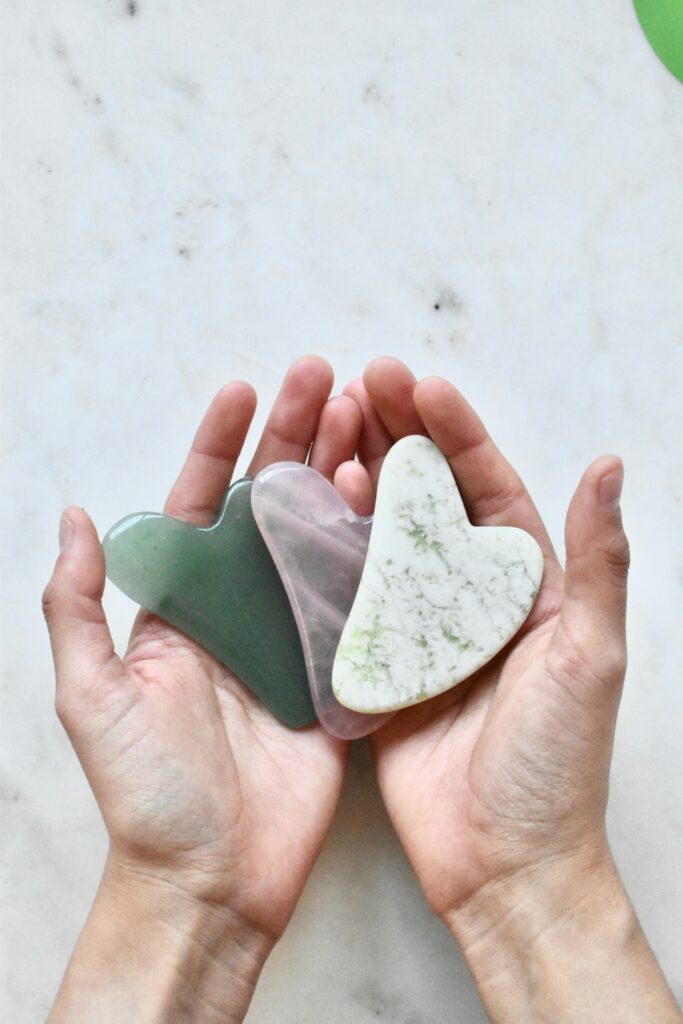
Gua Sha: What is it, Benefits and How To Gua Sha: An Ancient Beauty Ritual for Radiant Skin and Muscle Relief Gua sha has taken the beauty and wellness world by storm, but this technique is far from a passing trend. Rooted in Traditional Chinese Medicine (TCM), gua sha has been used for centuries to promote circulation, relieve tension, and support overall health. Originally practiced on the body, it was later adapted into a gentler form for the face, where it is now a go-to tool for sculpting, de-puffing, and enhancing skin radiance. Whether you’re looking to improve your complexion, relieve sore muscles, or simply indulge in a little self-care, gua sha is a versatile and effective technique worth incorporating into your routine. This guide covers everything you need to know—including how it works, its benefits, risks, and how to use it properly to get the best results. The Origins of Gua Sha: From Body Therapy to Facial Rejuvenation Gua sha has been practiced for over 700 years as a healing method in Traditional Chinese Medicine (TCM). The original technique was designed for the body, where practitioners used a smooth-edged tool—traditionally made of jade, horn, or stone—to scrape the skin in firm strokes. This process helped increase circulation, break up stagnation in energy (qi), and relieve muscle pain. It was often used on the back, shoulders, neck, and limbs to help with chronic pain, fever, and inflammation by stimulating blood flow and supporting the body’s natural detoxification processes. Over time, gua sha was adapted for facial use, with a much lighter and more refined approach. Unlike body gua sha, which can result in redness and bruising due to deep pressure, facial gua sha involves gentle, upward strokes to support lymphatic drainage, reduce puffiness, relieve facial tension, and enhance skin elasticity. This adaptation became a cornerstone of holistic beauty routines, celebrated for its ability to naturally contour the face, boost circulation, and improve skin tone. While the body and facial techniques differ in intensity, both work by stimulating blood flow, promoting relaxation, and encouraging overall wellness. Whether you’re using it for muscle recovery or skin rejuvenation, gua sha delivers impressive results. Benefits of Gua Sha: Why You Should Try It For the Face Gua sha has become a must-have tool in skincare for its instant and long-term benefits. Here’s why: Reduces Puffiness & Improves Lymphatic Drainage – The gentle scraping motion helps flush out excess fluid and toxins, minimizing under-eye bags and bloating. Boosts Circulation & Skin Radiance – By stimulating blood flow, gua sha delivers oxygen and nutrients to skin cells, enhancing the skin’s natural glow. Stimulates Collagen Production – Regular use can help improve skin elasticity, promoting a firmer, more youthful appearance. Sculpting and Lifting – Over time, regular gua sha sessions can help lift sagging skin, particularly in areas like the jawline and cheekbones. It can also help define the contours of the face, creating a more sculpted and youthful appearance. Relieves Facial Muscle Tension – If you experience jaw clenching, tension headaches, or forehead tightness, gua sha can help relax and ease stress-related muscle tightness. Helps with Sinus Congestion – Many people find that gua sha, especially along the nose and cheeks, can help relieve nasal congestion and sinus pressure. For the Body Body gua sha is commonly used by massage therapists, acupuncturists, and physical therapists for its deep healing benefits. Here’s how it can help: Eases Muscle Soreness & Tension – The scraping motion works on deeper layers of tissue, breaking up adhesions and relieving pain. Encourages Detoxification – By stimulating lymphatic drainage, gua sha helps rid the body of toxins and excess fluid buildup. Promotes Circulation & Recovery – Athletes and active individuals use gua sha to increase blood flow and speed up muscle recovery after workouts. Reduces Inflammation – Studies suggest that gua sha may help alleviate symptoms of chronic pain conditions such as fibromyalgia, arthritis, or back pain. Are There Any Risks? Gua sha is generally safe when done correctly, but there are a few precautions to keep in mind: Excessive pressure can cause bruising – Body gua sha may result in temporary redness or slight bruising, which is normal, but overuse can damage capillaries and cause unnecessary irritation. Avoid using gua sha on broken or irritated skin – This includes acne, eczema, sunburn, or active rashes, as scraping can worsen irritation. Check with a professional if you have a medical condition – If you have bleeding disorders, take blood thinners, or have fragile skin, consult a healthcare provider before using gua sha. How to Perform Gua Sha at Home Performing gua sha at home is easy, but it’s important to use the correct technique, angle, and pressure for optimal results. Follow these step-by-step instructions to get the most out of your gua sha practice. Gua Sha basics: Start with Clean Skin & Oil – Apply a hydrating facial oil or serum to allow the gua sha tool to glide smoothly. This prevents unnecessary tugging on the skin. Hold the Tool at a 15- to 30-Degree Angle – The edge of the gua sha should be nearly flat against your skin, not perpendicular, to create a gentle scraping motion. Use Gentle, Upward Strokes – Always move outward and upward, starting at the neck, then moving to the jawline, cheeks, and forehead. Apply light to medium pressure. Repeat Each Stroke 5-10 Times – Consistency is key! Use long, sweeping motions rather than short, abrupt strokes. Finish with Hydration – Apply a moisturizer or serum to lock in hydration and enhance the benefits of your gua sha session. How to Use Gua Sha for the Face Step 1: Start with the Neck Position the Tool: Using your dominate hand, hold the tool with the flat side against the skin, just below the collarbone, and your non dominate hand holding the skin at your collarbone. Scraping
Collagen Banking: The Ultimate Guide to Keeping Your Skin Youthful

Collagen Banking: The Ultimate Guide to Keeping Your Skin Youthful If you’re serious about maintaining youthful, plump skin for as long as possible, then you’ve probably heard about collagen banking. This skincare buzzword is making waves in the beauty industry, and for good reason. But what exactly is collagen banking, and how can you start preserving your skin’s most important structural protein? This article covers everything you need to know about collagen banking—from the best treatments to skincare and supplements that keep your skin looking fresh and firm. What is Collagen? Collagen is the most abundant protein in your body and the foundation of healthy, youthful skin. It provides structure, elasticity, and strength to the skin, keeping it firm and smooth. Unfortunately, collagen production starts to decline in your mid-20s, leading to visible signs of aging like fine lines, wrinkles, and sagging. Environmental factors like UV exposure, pollution, and lifestyle choices (such as smoking and poor diet) can accelerate collagen breakdown, making proactive collagen preservation crucial. What is Collagen Banking? Collagen banking is the process of preserving and stimulating collagen production early to maintain skin elasticity and slow down the visible signs of aging. Instead of trying to reverse wrinkles and loss of volume later, collagen banking focuses on preventing them in the first place. Think of it as a long-term investment for your skin—just like saving for retirement, but for your face! By taking steps to boost collagen before it starts depleting, you can keep your skin looking youthful for longer. When Should You Start Collagen Banking? The earlier, the better! Experts recommend starting collagen banking in your mid-to-late 20s when natural collagen production begins to slow. However, it’s never too late to start to still see improvement. The key is consistency—implementing collagen-stimulating treatments, skincare, and supplements into your routine will make a noticeable difference over time. How to Collagen Bank with Treatments Professional treatments are one of the most effective ways to boost collagen production. Here are some of the top collagen-stimulating procedures: Microneedling Microneedling creates micro-injuries in the skin, triggering the body’s natural healing response and boosting collagen production. When paired with PRP (platelet-rich plasma), the results are even more impressive. Laser Resurfacing Fractional lasers like CO2 and Fraxel stimulate collagen by removing damaged skin layers and encouraging new, firmer skin to grow. These treatments also help with skin texture and hyperpigmentation. Radiofrequency (RF) Treatments RF devices like Thermage and Morpheus8 use heat to tighten skin and stimulate collagen deep within the dermis. These are great for lifting and firming without downtime. Ultrasound Therapy (Ultherapy) Ultherapy uses ultrasound energy to penetrate deep into the skin, kickstarting collagen production and improving skin laxity over time. Chemical Peels Medium to deep chemical peels (like TCA or glycolic acid peels) help accelerate cell turnover, which in turn stimulates collagen production for smoother, more radiant skin. TIP: some of these professional treatments can be done at home safely. See these articles for more information. Microneedling 101: https://bestbeautyhacks.com/microneedling-101-a-step-by-step-protocol/ Chemical Peels: https://bestbeautyhacks.com/product-spotlight-platinum-skin-care/ How to Collagen Bank with Skincare While professional treatments can fast-track collagen production, a solid skincare routine is essential for maintaining your results. Look for these collagen-boosting ingredients: Retinoids (Retinol, Tretinoin, Retinaldehyde) Retinoids (vitamin A) are clinically proven to increase collagen production by stimulating skin cell turnover and improving texture. Prescription-strength tretinoin is the most potent, but over-the-counter retinol is a great starting point. Check out this article for details on retinoids: https://bestbeautyhacks.com/retinoids-101 Vitamin C A powerful antioxidant, vitamin C protects collagen from environmental damage and helps in collagen synthesis. Use a 15-20% L-ascorbic acid serum for best results. Tip: my go to is Vitamin CE + Ferulic Acid Lotion as it includes DNA repair enzymes that reverse damage. use link for a discount: Photozyme MD | Anti-Aging Skincare Peptides Peptides are the building blocks of collagen and elastin. Look for copper peptides, Matrixyl, and Argireline in your skincare products to support collagen production. Hyaluronic Acid While hyaluronic acid doesn’t directly boost collagen, it keeps skin hydrated and plump, making fine lines less noticeable. Well-hydrated skin is more resilient and better at producing collagen. Here’s the one I’ve been using for years: https://amzn.to/3QAqV5p SPF (Sunscreen!) UV rays break down collagen faster than anything else, so wearing a broad-spectrum SPF 30 or higher daily is non-negotiable for collagen preservation. Tip: This tinted SPF blends beautifully on most skin types and includes DNA repair enzymes to reverse damage: https://amzn.to/4hAFz8t How to Supplement for Collagen Banking Skincare and treatments help from the outside, but supplementing internally can maximize your collagen production. Here are the best supplements for collagen banking: Hydrolyzed Collagen Peptides Collagen supplements, especially hydrolyzed collagen peptides, have been shown to improve skin elasticity and hydration. Look for Type I and III collagen, ideally from marine or bovine sources. This new marine collagen peptide includes verisol – a bioactive hydrolized collagen to target skin, as well as Vitamin C and Hyaluronic Acid – triple win! Visit: https://amzn.to/3F8etXL Vitamin C Since vitamin C is essential for collagen synthesis, taking it alongside collagen peptides enhances absorption and effectiveness. Hyaluronic Acid Supplements Hyaluronic acid helps keep skin hydrated, which is essential for maintaining collagen structure. Zinc & Copper These trace minerals play a crucial role in collagen formation. A balanced diet or a high-quality supplement can ensure you’re getting enough. How to Keep Your Skin Healthy Beyond treatments, skincare, and supplements, lifestyle habits play a huge role in collagen preservation. Follow these tips to maintain healthy, youthful skin: Stay Hydrated – Drink plenty of water to keep skin plump and resilient. Eat a Collagen-Boosting Diet – Focus on protein-rich foods (grass fed beef, fish, chicken, eggs), leafy greens, berries, and nuts. Limit Sugar & Processed Foods – Sugar causes glycation, which damages collagen and accelerates aging. Prioritize Sleep – Your skin repairs itself overnight, so aim for 7-9 hours of quality sleep. Manage Stress – Chronic stress increases cortisol, which breaks down collagen. Try meditation, yoga, or deep breathing exercises. Avoid Smoking & Excessive Alcohol
Retinoids 101: The Science, Benefits & Differences Between Retinol, Tretinoin, and Retinaldehyde
Retinoids 101: The Science, Benefits and Differences Between Retinol, Tretinoin and Retinaldehyde Retinoids have long been considered the gold standard in skincare for their ability to combat signs of aging, clear acne, and improve overall skin texture. However, with various types on the market—Retinol, Tretinoin, and Retinaldehyde—it can be challenging to determine which one best suits your skincare needs. In this blog, we’ll break down the science behind retinoids, explore their key differences, and explain their benefits so you can confidently choose the right one for your skin. What Are Retinoids & How Do They Work? Retinoids are vitamin A derivatives that interact with receptors in the skin to accelerate cell turnover, stimulate collagen production, and reduce clogged pores. These processes make them highly effective in treating both aging and acne-related concerns. Key Benefits of Retinoids: Increase collagen production – Helps reduce fine lines, wrinkles, and skin laxity Accelerate skin cell renewal – Promotes a smoother and brighter complexion Regulate oil production – Reduces breakouts by preventing clogged pores Fade hyperpigmentation – Helps diminish sunspots, acne scars, and uneven skin tone While all retinoids ultimately convert into retinoic acid, the active form that interacts with skin cells, some work faster and more efficiently than others. Retinol vs. Tretinoin vs. Retinaldehyde: What’s the Difference? Each retinoid varies in strength, speed, and accessibility. Here’s how they compare: Retinol – The Gentle, Beginner-Friendly Option Retinol is the most widely available over-the-counter (OTC) retinoid and is ideal for beginners or those with sensitive skin. However, it undergoes a two-step conversion process before becoming active in the skin, making it the slowest-working option. How It Works: Retinol is absorbed into the skin It converts into Retinaldehyde Retinaldehyde then converts into Retinoic Acid, the form the skin can use Pros: Available in a variety of drugstore and luxury skincare products Less likely to cause irritation or peeling compared to stronger retinoids Effective for mild acne, early signs of aging, and improving skin texture Cons: Takes longer to show visible results (typically 3-6 months) Requires consistent use to maintain benefits Weaker than prescription-strength options Best For: Those new to retinoids or with sensitive skin looking for a gentle but effective anti-aging and skin-smoothing solution. Retinaldehyde – The Stronger OTC Alternative Retinaldehyde (also called retinal) is more potent than retinol because it requires only one conversion step before becoming retinoic acid. This means it works faster while still being available without a prescription. How It Works: Retinaldehyde converts directly into Retinoic Acid Pros: Stronger and more effective than retinol but still OTC Provides faster results than retinol, typically in 8-12 weeks Helps with moderate signs of aging, acne, and skin discoloration Cons: Can still cause mild irritation, especially for sensitive skin Not as extensively researched as tretinoin Less commonly found in skincare products compared to retinol Best For: Those who have built tolerance to retinol and want a stronger OTC option with faster results but aren’t ready for prescription-strength retinoids. Tretinoin – The Most Powerful, Prescription-Only Retinoid Tretinoin (often sold under the brand name Retin-A) is pure retinoic acid, meaning it does not require any conversion process in the skin. This makes it the most potent and fastest-acting retinoid available. How It Works: Directly binds to skin cell receptors to stimulate renewal & collagen production Pros: Clinically proven to treat wrinkles, acne, and sun damage Works much faster than retinol and retinaldehyde, with visible results in 6-8 weeks The most effective for acne, reducing oil production and preventing breakouts Cons: Requires a prescription in most countries More likely to cause irritation (redness, peeling, dryness) during the initial adjustment period Must be used with sunscreen daily, as it increases sun sensitivity Best For: Those with moderate to severe acne, deep wrinkles, or significant sun damage who need maximum-strength results. The Science Behind Retinoids: How They Improve Skin Retinoids have been extensively studied for their ability to reverse signs of aging, treat acne, and improve overall skin quality. Stimulating Collagen Production Retinoids trigger fibroblast cells to produce more collagen and elastin, improving skin firmness and reducing wrinkles. Studies show tretinoin significantly increases collagen density after just a few months of use. Speeding Up Skin Cell Turnover By accelerating the natural exfoliation process, retinoids prevent dead skin buildup, which can clog pores and lead to dull skin. This process smooths fine lines and refines skin texture over time. Regulating Oil Production & Fighting Acne Tretinoin reduces sebum (oil) production, making it one of the most effective acne treatments available. It also prevents clogged pores and reduces inflammation associated with breakouts. Fading Hyperpigmentation & Sun Damage Retinoids inhibit melanin production, helping to fade dark spots, acne scars, and discoloration. Regular use leads to brighter, more even-toned skin. How to Use Retinoids To Minimize Irritation Retinoids can cause redness, peeling, and dryness, especially when you first start using them. Follow these tips to minimize irritation: Start Slowly: Apply twice a week and gradually increase frequency. Use at Night: Retinoids break down in sunlight, so always apply them before bed. Always Use SPF: Retinoids make skin more sensitive to UV rays, so apply broad-spectrum SPF 30+ daily. Moisturize Well: Hydrate skin with a rich moisturizer to combat dryness and peeling. Avoid Harsh Ingredients: Do not mix with benzoyl peroxide, AHAs, or vitamin C in the same routine to prevent irritation. Final Thoughts: Which Retinoid Is Right for You? Choose Retinol if you’re new to retinoids or have sensitive skin. Choose Retinaldehyde if you want an OTC option that works faster than retinol. Choose Tretinoin if you need the most powerful treatment for acne or deep wrinkles. No matter which retinoid you choose, consistency is key to reap the rewards! Which retinoid do you use in your skincare routine? Was this article helpful? *Disclaimer: This post is not intended to provide diagnosis, treatment or medical advice. Content provided is for information purposes only. Please consult with a physician or other healthcare professional regarding any medical or skin related diagnosis or treatment
Understanding Castor Oil: Its Benefits, Uses, and Risks
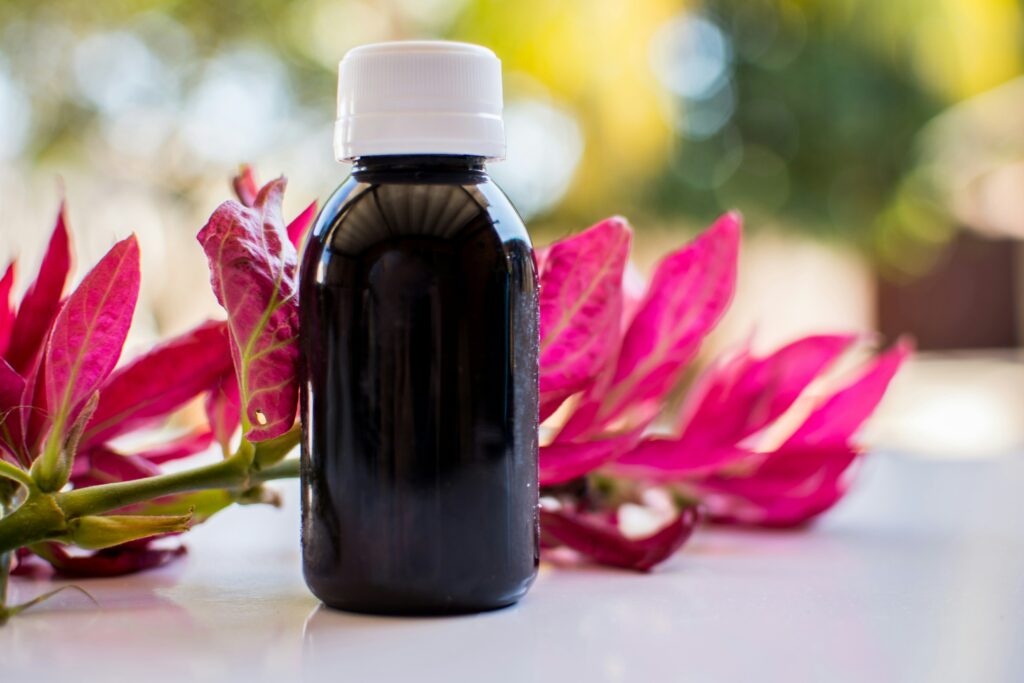
Understanding Castor Oil: It’s Benefits, Uses and Risks The Beauty Secret You Need to Know About! When it comes to natural beauty and wellness, castor oil is a true superstar. From promoting thicker, healthier hair to helping your skin glow, this powerful oil has been a go-to remedy for centuries. Packed with nutrients and known for its soothing, healing properties, castor oil is a must-have in any beauty routine. Whether you’re looking to boost your hair growth, hydrate dry skin, or even relieve constipation, castor oil is here to do it all. In this blog, we’re diving into the many ways you can use castor oil for everything from skincare to haircare, plus a few important tips on how to use it safely. What is Castor Oil? Castor oil is a versatile vegetable oil derived from the seeds of the Ricinus communis plant, which is native to tropical regions of Africa and India. It has been utilized for centuries in various cultures for medicinal, cosmetic, and industrial purposes. The primary active component of castor oil is ricinoleic acid, which constitutes approximately 90% of its composition. This unique fatty acid imparts several distinctive properties to the oil, including its anti-inflammatory, antibacterial, and moisturizing effects. Unlike many other oils, castor oil has a thick, sticky consistency, making it particularly effective for topical applications. Despite its somewhat viscous texture, it has gained widespread popularity due to its numerous health and beauty benefits. In the following sections, we will explore how castor oil works and the different ways it can benefit your body. How Does Castor Oil Work? The secret to castor oil’s wide range of benefits lies in its high content of ricinoleic acid. Ricinoleic acid is a monounsaturated fatty acid that contains a hydroxyl group, which enables it to penetrate the skin deeply and provide lasting moisture. When applied to the skin, it helps reduce inflammation, fights bacteria, and promotes the healing of minor wounds or skin irritations. Additionally, ricinoleic acid plays a significant role in castor oil’s effectiveness as a natural laxative. When ingested, it stimulates the intestines to release prostaglandins, compounds that regulate muscle contractions and promote bowel movements. This makes castor oil particularly useful in the short-term relief of constipation. The oil’s anti-inflammatory properties are also beneficial in addressing pain and swelling, whether internally or externally. Key Benefits and Uses of Castor Oil Castor oil offers a variety of benefits, from promoting healthy hair growth to alleviating constipation. Below is a closer look at the key benefits, along with detailed instructions on how to use castor oil for each of these purposes: Natural Laxative How to Use: Castor oil is commonly used as a natural laxative to relieve constipation. To use it for this purpose, take 1 to 2 teaspoons of castor oil on an empty stomach. It can be consumed directly or mixed with fruit juice or another beverage to mask the taste. Castor oil typically takes 2 to 6 hours to take effect, so it’s important to ensure you’re in a safe, comfortable environment during that time. Important Note: Castor oil should only be used for short-term relief (no more than 1-2 days in a row). Prolonged use can lead to electrolyte imbalances and dehydration. If constipation persists for more than a few days, consult with a healthcare provider. Pain and Inflammation Relief How to Use: Castor oil is well-known for its anti-inflammatory properties, which can help reduce pain and swelling. To use it for pain relief, apply the oil directly to the affected area (e.g., joints, muscles, or areas with menstrual cramps). Gently massage the oil into the skin to promote absorption. For chronic pain conditions like arthritis, a castor oil pack may provide even greater relief. Soak a piece of cotton or flannel fabric in castor oil, place it over the painful area, and cover it with plastic wrap. Apply heat (e.g., from a heating pad) for 20-30 minutes. This method can help alleviate pain, reduce swelling, and promote healing over time. You can find castor oil packs here: https://amzn.to/4hRjxhO Hair Growth and Scalp Health How to Use: To encourage hair growth and improve scalp health, castor oil can be massaged directly into the scalp. To make the process more comfortable, warm the oil slightly by placing the bottle in a bowl of hot water or microwaving it for a few seconds. Use your fingertips to massage the warm oil into your scalp in circular motions to stimulate blood circulation. Leave the oil on for at least 30 minutes, or for even better results, overnight. Afterward, shampoo thoroughly to remove the oil. For those with long hair, consider diluting castor oil with lighter oils like coconut oil to prevent tangling or hair felting. Skin Hydration and Acne Treatment How to Use: Castor oil is highly effective at moisturizing dry skin. To use it for dry or cracked skin, apply a small amount directly to the affected areas. Due to its thick consistency, you may prefer to dilute castor oil with a lighter oil, such as coconut or olive oil, especially if you have sensitive skin. For acne, apply a thin layer of castor oil to the affected areas. The oil’s antibacterial properties help reduce acne-causing bacteria. For best results, use it at night and allow it to work overnight. In the morning, wash your face thoroughly with a gentle cleanser. Important Note: Always conduct a patch test before using castor oil on your skin. Apply a small amount to your forearm and wait 24 hours to check for any signs of irritation. Castor Oil for Sunburn Relief Benefit: Castor oil’s soothing properties can help ease the discomfort of sunburned skin. Its anti-inflammatory and moisturizing effects reduce redness, swelling, and tightness that accompany sunburn. How to Use: Apply a thin layer of castor oil directly to sunburned areas. You can combine it with aloe vera gel to enhance the soothing effect. Reapply 2-3 times a day as needed. Avoid using castor oil on open