Understanding Castor Oil: It's Benefits, Uses and Risks
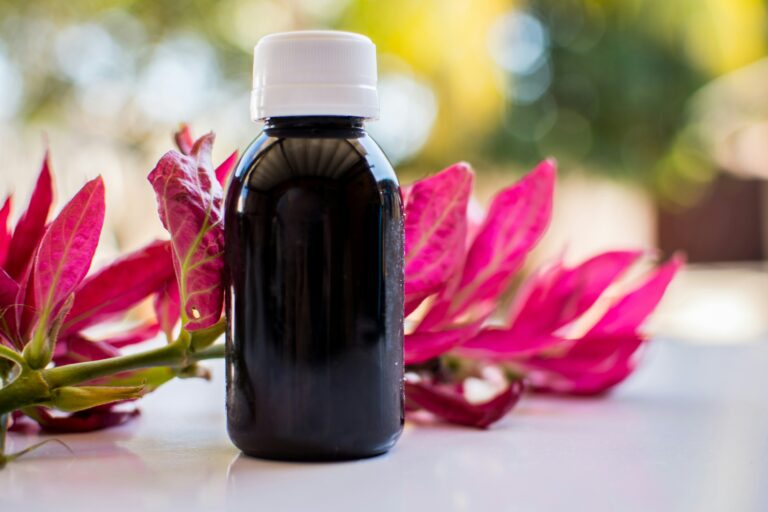
The Beauty Secret You Need to Know About!
When it comes to natural beauty and wellness, castor oil is a true superstar. From promoting thicker, healthier hair to helping your skin glow, this powerful oil has been a go-to remedy for centuries. Packed with nutrients and known for its soothing, healing properties, castor oil is a must-have in any beauty routine. Whether you’re looking to boost your hair growth, hydrate dry skin, or even relieve constipation, castor oil is here to do it all.
In this blog, we’re diving into the many ways you can use castor oil for everything from skincare to haircare, plus a few important tips on how to use it safely.
What is Castor Oil?
Castor oil is a versatile vegetable oil derived from the seeds of the Ricinus communis plant, which is native to tropical regions of Africa and India. It has been utilized for centuries in various cultures for medicinal, cosmetic, and industrial purposes. The primary active component of castor oil is ricinoleic acid, which constitutes approximately 90% of its composition. This unique fatty acid imparts several distinctive properties to the oil, including its anti-inflammatory, antibacterial, and moisturizing effects.
Unlike many other oils, castor oil has a thick, sticky consistency, making it particularly effective for topical applications. Despite its somewhat viscous texture, it has gained widespread popularity due to its numerous health and beauty benefits. In the following sections, we will explore how castor oil works and the different ways it can benefit your body.
How Does Castor Oil Work?
The secret to castor oil’s wide range of benefits lies in its high content of ricinoleic acid. Ricinoleic acid is a monounsaturated fatty acid that contains a hydroxyl group, which enables it to penetrate the skin deeply and provide lasting moisture. When applied to the skin, it helps reduce inflammation, fights bacteria, and promotes the healing of minor wounds or skin irritations.
Additionally, ricinoleic acid plays a significant role in castor oil’s effectiveness as a natural laxative. When ingested, it stimulates the intestines to release prostaglandins, compounds that regulate muscle contractions and promote bowel movements. This makes castor oil particularly useful in the short-term relief of constipation. The oil’s anti-inflammatory properties are also beneficial in addressing pain and swelling, whether internally or externally.
Key Benefits and Uses of Castor Oil
Castor oil offers a variety of benefits, from promoting healthy hair growth to alleviating constipation. Below is a closer look at the key benefits, along with detailed instructions on how to use castor oil for each of these purposes:
- Natural Laxative
How to Use: Castor oil is commonly used as a natural laxative to relieve constipation. To use it for this purpose, take 1 to 2 teaspoons of castor oil on an empty stomach. It can be consumed directly or mixed with fruit juice or another beverage to mask the taste. Castor oil typically takes 2 to 6 hours to take effect, so it’s important to ensure you’re in a safe, comfortable environment during that time.
Important Note: Castor oil should only be used for short-term relief (no more than 1-2 days in a row). Prolonged use can lead to electrolyte imbalances and dehydration. If constipation persists for more than a few days, consult with a healthcare provider.
- Pain and Inflammation Relief
How to Use: Castor oil is well-known for its anti-inflammatory properties, which can help reduce pain and swelling. To use it for pain relief, apply the oil directly to the affected area (e.g., joints, muscles, or areas with menstrual cramps). Gently massage the oil into the skin to promote absorption.
For chronic pain conditions like arthritis, a castor oil pack may provide even greater relief. Soak a piece of cotton or flannel fabric in castor oil, place it over the painful area, and cover it with plastic wrap. Apply heat (e.g., from a heating pad) for 20-30 minutes. This method can help alleviate pain, reduce swelling, and promote healing over time. You can find castor oil packs here: https://amzn.to/4hRjxhO
- Hair Growth and Scalp Health
How to Use: To encourage hair growth and improve scalp health, castor oil can be massaged directly into the scalp. To make the process more comfortable, warm the oil slightly by placing the bottle in a bowl of hot water or microwaving it for a few seconds. Use your fingertips to massage the warm oil into your scalp in circular motions to stimulate blood circulation.
Leave the oil on for at least 30 minutes, or for even better results, overnight. Afterward, shampoo thoroughly to remove the oil. For those with long hair, consider diluting castor oil with lighter oils like coconut oil to prevent tangling or hair felting.
- Skin Hydration and Acne Treatment
How to Use: Castor oil is highly effective at moisturizing dry skin. To use it for dry or cracked skin, apply a small amount directly to the affected areas. Due to its thick consistency, you may prefer to dilute castor oil with a lighter oil, such as coconut or olive oil, especially if you have sensitive skin.
For acne, apply a thin layer of castor oil to the affected areas. The oil’s antibacterial properties help reduce acne-causing bacteria. For best results, use it at night and allow it to work overnight. In the morning, wash your face thoroughly with a gentle cleanser.
Important Note: Always conduct a patch test before using castor oil on your skin. Apply a small amount to your forearm and wait 24 hours to check for any signs of irritation.
- Castor Oil for Sunburn Relief
Benefit: Castor oil’s soothing properties can help ease the discomfort of sunburned skin. Its anti-inflammatory and moisturizing effects reduce redness, swelling, and tightness that accompany sunburn.
How to Use: Apply a thin layer of castor oil directly to sunburned areas. You can combine it with aloe vera gel to enhance the soothing effect. Reapply 2-3 times a day as needed. Avoid using castor oil on open blisters or broken skin.
- Castor Oil for Eyelash and Eyebrow Growth
Benefit: Castor oil is widely used to promote fuller, thicker eyelashes and eyebrows. The ricinoleic acid nourishes and strengthens hair follicles, encouraging healthier growth.
How to Use: Using a clean mascara wand or cotton swab, apply a small amount of castor oil to your lashes or eyebrows before bed. Be cautious not to get it in your eyes. Wash it off in the morning.
- Boosts Collagen Production
Benefit: The beta-carotene in castor oil converts to vitamin A, which can stimulate collagen production. This may improve skin elasticity and reduce the appearance of fine lines and wrinkles.
How to Use: Gently massage a small amount of castor oil into areas prone to wrinkles, such as around the eyes and mouth, before bed. Regular use can help smooth and firm the skin over time.
- Wound Healing
How to Use: Castor oil is known to accelerate the healing of minor cuts, burns, and wounds. Apply a thin layer of castor oil directly to the wound and cover it with a sterile bandage. The oil helps keep the wound moist, preventing scab formation and promoting faster healing.
For larger wounds or pressure sores, castor oil may be combined with other ointments like Balsam Peru for enhanced effectiveness. Always use castor oil for wound care under a healthcare provider’s supervision, especially for severe or medical-grade wounds.
Side Effects and Contraindications
While castor oil provides numerous health benefits, it should be used with caution to avoid potential side effects.
- Gastrointestinal Discomfort: As a laxative, castor oil can cause cramping, nausea, vomiting, bloating, or diarrhea if used excessively. Follow dosage recommendations carefully and consult a healthcare provider if constipation persists.
- Pregnancy and Breastfeeding: Pregnant women should avoid castor oil, especially in large amounts, as it can trigger uterine contractions and induce labor. Always seek medical advice before using it during pregnancy or breastfeeding.
- Skin Sensitivity: Castor oil can cause allergic reactions in some individuals, leading to irritation, itching, or swelling. Conduct a patch test before applying it to larger areas.
- Pre-existing Conditions: People with gastrointestinal issues, inflammatory bowel disease (IBD), or gastrointestinal obstruction should avoid castor oil. Use it only under medical supervision for individuals with chronic digestive conditions.
Type of Castor Oil to Use
- Organic Castor Oil
Choose organic castor oil that is certified organic. This ensures that the oil is free from harmful chemicals and pesticides, which is especially important when using it for skincare, haircare, or internal purposes. Organic castor oil is derived from castor beans grown without synthetic fertilizers or chemicals, making it a more natural and eco-friendly choice. - Cold-Pressed Castor Oil
Choose cold-pressed castor oil. Cold pressing is a method that preserves the oil’s natural properties by extracting the oil without heat. This process retains the beneficial compounds like ricinoleic acid, antioxidants, and essential fatty acids, making it more potent and effective than oil extracted using heat or chemicals. - Castor Oil in a Dark Glass Bottle
Always choose castor oil packaged in a dark glass bottle (typically amber or cobalt blue). This is crucial because glass protects the oil from light, which can degrade the oil over time, causing it to lose potency. The dark color of the glass further helps in shielding the oil from harmful UV rays, ensuring that the oil stays fresh longer and maintains its beneficial properties. - Hexane-Free Castor Oil
Ensure the castor oil is hexane-free. Some commercial castor oil is processed using solvents like hexane, which may leave traces in the final product. Opting for hexane-free castor oil ensures a purer, safer product, especially when using it on your skin or hair. - Unrefined or Pure Castor Oil
Choose unrefined or pure castor oil. Refined castor oil is processed to remove impurities, but it may also strip away some of the beneficial nutrients and natural compounds found in the oil. Unrefined castor oil retains its full range of nutrients and provides maximum therapeutic benefit.
How to Choose for Specific Uses:
- For Skin and Hair Care: Always use organic, cold-pressed, and unrefined castor oil in a dark glass bottle. This ensures you’re using the purest form of the oil for your skin and hair, avoiding any chemicals that may irritate sensitive skin.
- For Internal Use: If you plan to use castor oil for constipation relief or other internal purposes, make sure it is food-grade and hexane-free. Organic, cold-pressed castor oil is ideal for internal use, but it should always be used with caution and in accordance with recommended dosages.
By selecting the right type of castor oil, you ensure that you’re getting the maximum benefits, whether you’re using it for skin care, hair health, or other therapeutic purposes. For the top rated brand and my personal favorite, visit: https://amzn.to/41kEdb5
Conclusion
Castor oil is a potent and versatile natural remedy with a rich history in various cultures. From easing constipation to promoting hair growth and aiding in wound healing, the benefits of castor oil stem from its unique properties, primarily ricinoleic acid. However, caution is essential when using castor oil to avoid potential side effects, especially in pregnant women or individuals with specific health conditions.
As with any natural remedy, consult a healthcare professional before using castor oil for medicinal purposes, particularly if you have underlying health concerns. When used responsibly, castor oil can be a valuable addition to your wellness and beauty routine, offering a wide range of therapeutic benefits.
Was this article helpful?
*Disclaimer: This post is not intended to provide diagnosis, treatment or medical advice. Content provided is for information purposes only. Please consult with a physician or other healthcare professional regarding any medical or skin related diagnosis or treatment options. The statements made about specific products throughout this blog are not to diagnose, treat, cure or prevent disease. It is important that you check labels to determine if a product is right for you. Before starting any treatment at home consult a health care or skin care professional to determine if it’s right for you.
*Disclosure: some links may be affiliate links where I may get a small commission at no additional cost to you.