Alzheimer’s and Brain Health Awareness Month
Alzheimer’s and Brain Health Awareness Month June is Alzheimer’s and brain health awareness month, where we’re encouraged to share our stories, volunteer for the cause, understand the latest treatments and steps to improve the health of your brain so you can take charge of your cognitive health. Currently, there are approximately 7 million people in the U.S. that have been diagnosed with Alzheimer’s, with twice as many women affected than men. It’s believed that Alzheimer’s can begin in your brain 20 years before you ever have a symptom. While this might sound scary, it’s an opportunity for everyone to take steps to reduce the risk. While the main risk for Alzheimer’s is age, there are factors that significantly reduce the risk: Physical activity – staying active, or becoming active is vitally important as we age for every reason. Bone health, heart health, cognitive health. It can’t be stressed enough. We lose our sense of balance as we age which can cause falls or fear of hurting ourselves which then limits physical activity. Fight for your health by finding ways to be active. Safely challenge yourself to keep it interesting by trying new activities. Do you like to go for walks? Add ankle and/or wrist weights. Do you do yoga? Try a barre class or Qigong. Trying new activities challenges your body and muscles to work in new ways, building strength, flexibility and balance. This also improves brain health with increased oxygen, circulation, learning a new activity, and meeting new people. Mental activity – be a life long learner. Read non-fiction books to educate yourself on topics that interest you. No trash novels please! Travel more to different destinations if that interests you, it’s a great way to learn by experiencing different cultures. Social activities – social interactions provide opportunities for mental stimulation, which allows the brain to process new information and new situations which help maintain cognitive health. These interactions also reduce loneliness and isolation which are known risk factors for Alzheimer’s. Challenge your brain – have you always wanted to learn a new language? Play an instrument? Start a new hobby? Do you like brain teasers like cross word puzzles or word games? Keeping your brain active and learning can reduce risk of cognitive disease. Don’t smoke – cognitive health is another of the many reasons not to smoke. Supplement – there are supplements to improve cognitive function and support brain health, but everyone is different. Ask your physician or functional doctor for the optimal supplements to support your cognitive health. Coffee – Numerous scientific research studies have demonstrated strong associations between regular coffee consumption and protection against the onset of neurodegenerative diseases such as Alzheimer’s and Parkinson’s. Purity Coffee is consciously crafted with your health mind, always organic and free of molds, toxins and contaminants. All Purity coffee is regeneratively farmed and sustainably sourced, with a customized roasting process that optimizes the levels of antioxidants, bioactive compounds, and micronutrients in their coffee. In honor of Alzheimer’s and brain health awareness month, Purity Coffee has a limited release Founder’s Roast that maximizes the levels of pyrocatechol contained in this coffee. Pyrocatechol is a potent anti-inflammatory agent in the suppression of neurodegenerative disease, like Alzheimer’s. $2 from each bag sold will be donated to Hilarity for Charity, which cares for families impacted by Alzheimer’s disease and is a leader in brain health research and education. Purity Coffee is offering 20% off your first order sitewide. Visit PurityCoffee.com and enter code BESTBEAUTYHACKS20 at checkout. for more information on Alzheimer’s awareness, visit: Take Charge of Your Brain Health | Alzheimer’s Association To learn more about the profound impact of coffee on cognition—explore our Coffee, Dementia, and Cognition: Literature Review Was this article helpful? *Disclaimer: This post is not intended to provide diagnosis, treatment or medical advice. Content provided is for information purposes only Please consult with a physician or other healthcare professional regarding any medical or skin related diagnosis or treatment options. The statements made about specific products throughout this blog are not to diagnose, treat, cure or prevent disease. It is important that you check labels to determine if a product is right for you. Before starting any treatment at home consult a health care or skin care professional to determine if it’s right for you. *Disclosure: some links may be affiliate links where I may get a small commission at no additional cost to you
May is Skin Cancer Awareness Month

May is Skin Cancer Awareness Month May is Skin Cancer Awareness Month – a time to put the spotlight on the most common form of cancer in the world. As the days start to lengthen and the weather warms up, we often yearn for the sun’s rays. But while a sun-kissed glow may be aesthetically pleasing, it’s crucial to remember that the sun can also be our skin’s deadliest enemy. Skin cancer doesn’t discriminate, it can affect anyone, regardless of age, gender, or race. It’s estimated that every day, 9,500 people in the U.S. are diagnosed with skin cancer. And every hour, one person dies from melanoma, the deadliest form of skin cancer. But the good news is, skin cancer is also one of the most preventable forms of cancer. Are you taking the necessary precautions to protect your skin? Are you aware of the risk factors associated with skin cancer? This month is all about educating ourselves and others about the dangers of skin overexposure and the importance of early detection. the American Academy of Dermatology (AAD) provides insights that can help you protect your skin. The AAD also shares information that can help you find skin cancer. When found early, skin cancer is highly treatable. What is Melanoma Monday? On Melanoma Monday, the AAD encourages all Americans to begin a lifelong habit of examining their skin for signs of skin cancer. The AAD began Melanoma Monday on Monday, May 1, 1995 and has observed it every year since. Melanoma Monday always occurs during Skin Cancer Awareness Month on the first Monday in May. This year, Melanoma Monday is Monday, May 6, 2024. Key facts to know about melanoma Melanoma is the most serious type of skin cancer. In 2024, it’s estimated that more than 200,340 melanomas will be diagnosed and about 8,290 people will die of melanoma. That’s why the AAD encourages everyone to begin a lifelong habit of checking their skin by performing skin self-exams. Here’s why these exams are so important: Caught early, melanoma is highly treatable. Melanoma can develop anywhere on the skin, including skin that’s had plenty of sun exposure and skin that’s usually protected from the sun. Melanoma can develop under or around a fingernail or toenail. You can find melanoma early by examining your skin for the ABCDEs of melanoma and checking your nails. Dermatologists encourage everyone to check their skin for any changes or signs of skin cancer on a regular basis so you can find signs early. Sun protection can reduce your skin cancer risk Protecting your skin from the sun plays a key role in preventing skin cancer. However, a 2024 AAD survey found that more than 1 in 3 Americans (36%) said they had a sunburn in 2023. This is a significant increase over 2022 The 2024 survey also revealed that Gen Z adults were less likely than adults in other generations to know key facts that can help them protect their skin from the sun. Here are key facts to know: When you’re outdoors, protect your skin by seeking shade, wearing sun-protective clothing, and applying sunscreen that offers broad-spectrum protection, water resistance, and an SPF of 30 or higher. The AAD calls this Practicing Safe Sun. Sun protection is important every day of the year. You can get sunburned on a cloudy day and during the winter You need to reapply sunscreen every 2 hours and after swimming or sweating. It’s a myth that higher SPF sunscreens can be applied less frequently. To learn how to use shade, clothing, and sunscreen to protect your skin, go to Practice Safe Sun. For recommendations on sunscreen, go to: https://bestbeautyhacks.com/best-sunscreens-of-2023/ What will you do during Skin Cancer Awareness Month? Now that you know the facts, what will you do this month to reduce your risk of developing skin cancer and to find skin cancer early when it’s highly treatable? When you Practice Safe Sun, you can decrease your risk of developing skin cancer and early skin aging. Developing a lifelong habit of checking your skin for skin cancer can also help you find skin cancer early. To get started with skin exams, some people sign up for an AAD free skin cancer screening. Or you may want to schedule an appointment with your dermatologist for a skin cancer screening. Was this article helpful? Disclaimer *Disclaimer: This post is not intended to provide diagnosis, treatment or medical advice. Content provided is for information purposes only. Please consult with a physician or other healthcare professional regarding any medical diagnosis or treatment options. The statements made throughout this blog are not to diagnose, treat, cure or prevent disease. Before starting any treatment at home consult a health care professional to determine if it’s right for you.
10 Benefits of Resistance Training
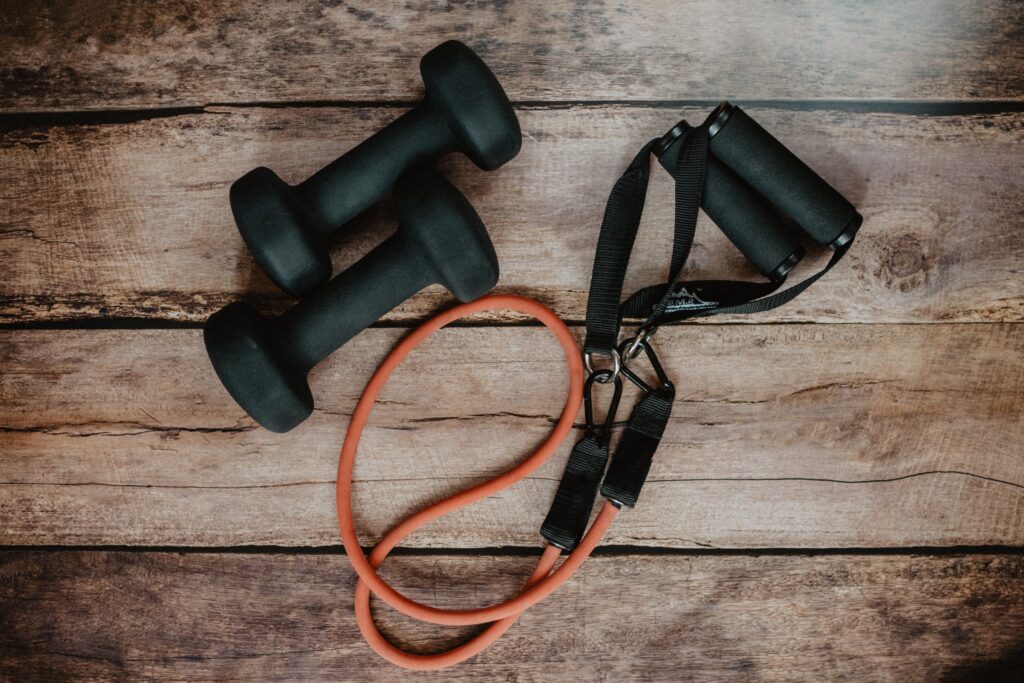
10 Benefits of Resistance Training Resistance training, also known as strength training or weight training, is a form of exercise designed to increase muscular strength and endurance. Resistance training involves working your muscles against some form of resistance. The resistance can be: Weights: dumbbells, barbells, kettle bells Machines: weight machines designed for resistance of specific muscle groups Bands: elastic resistance bands Bodyweight: exercises where you use your own body weight as resistance, such as push ups or squats Resistance training isn’t just for building muscle mass. It also improves your overall physical strength and endurance and is an excellent way to improve joint stability. Here are some additional key health benefits: Builds Muscle, Burns Fat: Resistance training leads to enhanced muscle mass, which increases your metabolic rate. The result? You burn more calories, even at rest, leading to effective and sustainable weight loss. Enhances Strength and Endurance: Regular resistance training significantly improves your strength and endurance. This means everyday tasks become easier, and you’re less prone to fatigue. Your improved strength also reduces your risk of injury. Boosts Bone Health: With resistance training, you’re not just building muscle; you’re also enhancing your bone health. This type of exercise increases bone density, reducing the risk of conditions like osteoporosis. Improves Cardiovascular Health: Despite what you may think, resistance training isn’t just about muscles. It’s also great for your heart. By strengthening your cardiovascular system, resistance training can lower your risk of heart disease. Elevates Mood and Energy Levels: Regular resistance training has been shown to help alleviate symptoms of depression and anxiety. Plus, it increases energy levels, making you feel more invigorated throughout the day. Promotes Better Sleep: If you’ve been struggling with sleep, resistance training could help. Regular physical activity, including resistance exercises, has been proven to improve sleep quality. Enhances Flexibility and Balance: Regular resistance training can enhance your flexibility and balance, leading to improved overall physical functionality and reduced risk of falls or injuries. Supports Healthy Aging: Resistance training supports healthy aging. As you age, you naturally lose muscle mass. Regular resistance training can offset these losses, helping you maintain independence and quality of life well into your golden years. Boosts Confidence: Seeing the positive changes in your body can significantly boost your self-esteem and confidence, improving your overall mental well-being. Increases Longevity: By boosting heart health, strengthening bones, improving sleep, and promoting healthier aging, resistance training can lead to a longer, healthier life. According to the Centers for Disease Control and Prevention, adults should aim for muscle strengthening activities or exercises (moderate to greater intensity) that involve all muscle groups at least twice a week. If you are trying to change your physique, you’ll want to commit to 4-5 times a week, and then three times a week for maintenance once you’ve reached your goals. Resistance training is accessible, adaptable and beneficial for all ages. Incorporating it into your routine and lifestyle can lead to better overall health. And who doesn’t want that? Consult with a fitness professional to get you started with a customized approach that fits your needs and goals. Once you’re on your way to feeling stronger and seeing results – you will be hooked! Was this article helpful? Disclaimer *Disclaimer: This post is not intended to provide diagnosis, treatment or medical advice. Content provided is for information purposes only. Please consult with a physician or other healthcare professional regarding any medical diagnosis or treatment options. The statements made throughout this blog are not to diagnose, treat, cure or prevent disease. Before starting any treatment at home consult a health care professional to determine if it’s right for you.
Night Sweats: Causes and Remedies

Night Sweats: Causes and Remedies Night sweats can be caused by several factors such as hormonal imbalances, infections, certain medications, stress or anxiety, and underlying health conditions like sleep apnea, cancer, or hypoglycemia. When your body experiences increased heart rate, heightened brain activity or increased metabolism, it tends to heat up, triggering the sweat glands as a cooling response. Night sweats can be triggered by various factors. Here are some of the more common causes and potential remedies: Menopause: hormonal changes during menopause can lead to night sweats and hot flashes, which happen during the day. Lifestyle adjustments, such as sleeping in a cool room and avoiding alcohol may help manage night sweats. Infections: underlying infections, depending on the type may require antibiotics or other medications for treatment Cancer: night sweats can be associated with certain cancers. Consult your healthcare professional for proper evaluation and management Anxiety: managing stress and anxiety through relaxation techniques, counseling or medication may alleviate symptoms Hyperthyroidism: consult your healthcare professional for diagnosis and treatment Medications: some meds may cause night sweats as a side effect. If this is the case for you, consult your doctor to explore alternate meds or to adjust dosage. Relieving night sweats involves addressing the root cause. If they are due to hormonal imbalances, you may need to consult with a healthcare provider about hormone therapy or adjustments to hormonal medications. When caused by infections, antibiotics or other relevant treatments may be needed. For those suffering from night sweats due to stress or anxiety, relaxation techniques such as yoga, deep breathing exercises or meditation can be useful. Additionally, maintaining a cool sleep environment, using breathable bedding materials, and refraining from spicy meals or alcohol before bedtime can help reduce night sweats. Remember that individual cases vary, and it’s essential to consult A healthcare professional who can help identify the root cause and provide appropriate treatments. It is crucial to provide them with an in-depth medical history for an accurate diagnosis. While night sweats can be uncomfortable and disrupt sleep quality, a combination of medical treatments, lifestyle changes and natural remedies can help manage and significantly reduce them. For more information on menopause stages, symptoms and resources, check out: https://bestbeautyhacks.com/menopause-stages-symptoms-and-resources/ Was this article helpful? Disclaimer *Disclaimer: This post is not intended to provide diagnosis, treatment or medical advice. Content provided is for information purposes only. Please consult with a physician or other healthcare professional regarding any medical diagnosis or treatment options. The statements made throughout this blog are not to diagnose, treat, cure or prevent disease. Before starting any treatment at home consult a health care professional to determine if it’s right for you.
The Science and Power of Gratitude

The Science and Power of Gratitude Spring is a time for renewal. As nature begins a new cycle of life, we too can refresh our mindset to bring more joy into our lives by appreciating the beauty all around us. Having an effective gratitude practice can have a significantly positive impact on your mental and physical health and well being. The scientific benefits of effective gratitude practices include: Improves psychological health: Research shows that gratitude increases happiness and positivity in our lives Improves physical health: Data points to the neurochemical, anti-inflammatory, neuro circuit mechanisms that gratitude triggers are similar to HIIT and exercise. Improves quality of sleep Improves self esteem: A gratitude practice increases your self esteem by appreciating your uniqueness and accomplishments, as well as other people’s accomplishments. Provides resilience to trauma – past and future. Strengthens relationships: Benefits social relationship across all relationships including with oneself. Prosocial behavior allows us to be more effective in interactions. Overall satisfaction with life: gratitude promotes life satisfaction and contentment. People tend to be more happy, find life more meaningful and joyful by adding a gratitude practice. Set yourself up for success Don’t wait for things to happen for you to be grateful. Plan gratitude into your day so you have a continuous flow of gratitude throughout your day. Here are some ideas to get you started: Morning gratitude ideas: Think about what would start your day off in the most amazing, enjoyable way, and plan for it. Would you like to be able to stretch first thing? Then set your alarm earlier to accommodate. Does music uplift you? Put together a playlist of your favorite upbeat songs to play while you get ready, and sing along. And don’t forget to dance! Allow your soul to sing. Dress for success, always. Wear something you feel great in. Express gratitude for: the gift of another day when you wake up For a good night’s sleep For a comfortable bed For your favorite morning beverage For your health For your family, your friends Afternoon gratitude ideas: Plan ahead by scheduling lunch with a friend you haven’t seen in awhile. Schedule a walk outside into your day. You can listen to a podcast to learn something new, or enjoy nature. The birds chirping, colors of the trees, and fresh air. Call that friend or family member you’ve been thinking of but haven’t talked to in awhile. Have a list of gratitude options so if the weather isn’t cooperating, or your friend needs to reschedule, you can choose a back up gratitude option to pivot to. Evening gratitude ideas: Similar to the morning routine, think about how you like to wind down from the day. What steps can you take to get the best sleep of your life – every night? Schedule it if you have to, until it becomes a habit. But ultimately, this should be something you look forward to. Here are some ideas to get you started: Express gratitude for: A bath to relax you but you never seem to have time and it seems more of a luxury? A calming evening beverage like chamomile tea Try journaling for 10-15 minutes before bed about things you are grateful for from your day As you think about things you are grateful for, linger on those thoughts to make sure you feel the gratitude for each one. Then try to increase that feeling of gratitude. When you intentionally focus on what you are grateful for, you shift your perspective from lack and what isn’t going well, to positive aspects and experiences. The more you express gratitude, the more grateful you become, the more you notice things in your life to be grateful for. As difficult as life can be, there is always, always something to be grateful for. Even in the hardest, darkest moments. Gratitude is a mindset. If you’re looking for some tools to help with a gratitude practice, check out Intelligent Change. They have a great gratitude journal that has daily thought provoking quotes, and an easy, user friendly format: Intelligent Change – Tools to Positively Change Your Life Was this article helpful? *Disclaimer: This post is not intended to provide diagnosis, treatment or medical advice. Content provided is for information purposes only Please consult with a physician or other healthcare professional regarding any medical or skin related diagnosis or treatment options. The statements made about specific products throughout this blog are not to diagnose, treat, cure or prevent disease. It is important that you check labels to determine if a product is right for you. Before starting any treatment at home consult a health care or skin care professional to determine if it’s right for you. *Disclosure: some links may be affiliate links where I may get a small commission at no additional cost to you.
Unique Mother’s Day Gift Ideas

Unique Mother’s Day Gift Ideas Are you looking for unique and thoughtful gift ideas for your mom this Mother’s Day? Are you wanting to treat yourself? This year, Mother’s Day is on May 12, so don’t delay! These are my top recommendations for thoughtful, useful gift ideas for Mother’s Day: Intelligent Change Is your mom a life learner and interested in self improvement, like health and fitness or character development? Intelligent Change has several great journals and products, all geared toward gratitude and growth. They even have a special collection of thoughtful gift ideas for mom: Intelligent Change – Tools to Positively Change Your Life Kauai Farmacy Does your mom live a health conscience lifestyle? I’ve been a Kauai Farmacy customer for years and I love everything about this company, from their mission to their natural and effective products. They have a surprisingly extensive product line from their 4 acre farm in Kauai – from salves for joint and muscle pain to tinctures and teas. You can find them here: https://shop.kauaifarmacy.com/ Dune Jewelry Does your mom have a favorite vacation spot, or a “happy place” she likes to visit? Dune jewelry is customizable to create the perfect Mother’s day gift. You can choose from sand and shells from a favorite beach, soil from your homeland and birth stones of your children to create a unique and beautiful piece. Create yours here: https://dunejewelry.com/ Dr. Darvish’s book – A Guide to living longer and healthier with Joy Dr. Darvish’s first book, “The Golden Gate: Unleash Your Feminine Powers to Graceful Aging”, is currently on pre-order and launching on Women’s day, May 6th. This book is for all women, as it has helpful insight on how to optimize your health and wellbeing. Dr. Darvish is a fantastic, compassionate and distinguished holistic physician. Her practice is in Bellevue, WA – Holistique Medical, but she has patients all over the world. You can pre-order here: https://drdarvish.com/the-golden-gate/ Qualia NAD+ Is your mom concerned with signs and symptoms of aging? Consider gifting her with NAD. One of the fundamental functions of our bodies is the mitochondria in our cells. The summary version is, healthy mitochondria slows aging but with age and the effects of so many environmental factors attacking our bodies constantly causes deterioration of the mitochondria. That’s where NAD comes in. NAD is short for nicotinamide adenine dinucleotide and targets mitochondria repair. NAD comes in different forms – IV’s, shots, liquid, patches and supplements. The placebo controlled clinical study of Qualia NAD+ supplement showed results of 85% increase in NAD in 4 weeks. To learn more: Qualia NAD+ Placebo-Controlled Clinical Study Preliminary Results (neurohacker.com) The Top 7 NAD+ Benefits | Qualia (neurohacker.com) Qualia NAD+ Ingredients (neurohacker.com) Shop Qualia NAD+ (neurohacker.com) Joovv Joovv is a true medical grade red light therapy. There are so many benefits of light therapy, it works at a cellular level to improve: healthy skin, mental focus, performance and recovery, and reduce inflammation to name a few. Joovv products come in red and near infrared, in the exact wavelengths for cells to optimally absorb. They even have a portable option for travel: https://bestbeautyhacks.com/joovv Reformation The warm weather season is upon us, so if you are considering a spring outfit for mom (or you!), this is my favorite clothing line for style, fit and sustainability. This brand is feminine and flattering, with beautiful color and patterns, as well as a comprehensive sustainability model that is really impressive. Check it out: https://www.thereformation.com/ You can also check out this post for more Mother’s Day gift ideas: https://bestbeautyhacks.com/mothers-day-gift-ideas-for-beauty-and-wellness/ Show your mom how much she means to you. And don’t overlook yourself – it’s perfectly acceptable to gift yourself on Mother’s Day too! Was this article helpful? *Disclaimer: This post is not intended to provide diagnosis, treatment or medical advice. Content provided is for information purposes only Please consult with a physician or other healthcare professional regarding any medical or skin related diagnosis or treatment options. The statements made about specific products throughout this blog are not to diagnose, treat, cure or prevent disease. It is important that you check labels to determine if a product is right for you. Before starting any treatment at home consult a health care or skin care professional to determine if it’s right for you. *Disclosure: some links may be affiliate links where I may get a small commission at no additional cost to you.
Top 4 Books for Love Month

Top 4 Books for Love Mont In honor of love month, I wanted to offer some suggestions that may be helpful in understanding yourself and those you love. These are all easy reads, perfect for a cozy afternoon in your favorite chair. I hope you enjoy. Sending you all love and gratitude! How to Love, by Thich Nhat Hanh Thich Nhat Hanh is a world renowned Zen Master, and this is his most popular work. It’s full of thoughtful advice and practices to understanding our strongest emotion. The Way to Love, by Anthony de Mello If you have ever struggled with heartache, loneliness or self sabotage, this book helps you shift perspective to self understanding. The 5 Love Languages, by Gary Chapman This book is critical for everyone, not only to help you understand yourself and everyone else in your life, but especially if you’re in a relationship. Beyond Mars and Venus, by John Gray If you’ve read “Men are from Mars, Women are from Venus”, this is the follow up that takes the framework to the next level as roles of men and women evolve, relationships need to evolve as well. Was this helpful? Disclaimer *Disclaimer: This post is not intended to provide diagnosis, treatment or medical advice. Content provided is for information purposes only Please consult with a physician or other healthcare professional regarding any medical or skin related diagnosis or treatment options. The statements made about specific products throughout this blog are not to diagnose, treat, cure or prevent disease. *Disclosure: some links may be affiliate links where I may get a small commission at no additional cost to you.
Menopause: Stages, Symptoms and Resources

Menopause: Stages, Symptoms and Resources Did you know that one third of all women are currently in some stage of menopause? Yet there is such a stigma around this topic, that most women are uncomfortable talking about it, even with their doctors. Menopause is a natural process that marks the end of a woman’s reproductive years. The duration of menopause can vary greatly among individuals. Here are some key points to understanding the menopause transition: Perimenopause: This is the transition phase that can begin 8-10 years before menopause, often starting in a woman’s 40’s. During this time, the ovaries gradually produce less estrogen and you begin to notice menopause symptoms (hot flashes, etc) Menopause: This is not a phase, but more so an event that is diagnosed by a doctor after a woman has gone 12 consecutive months without a menstrual cycle. Once in menopause, the symptoms may continue for an average of 4-5 years but they tend to decrease in frequency and intensity. Postmenopause: this is the phase after menopause, and lasts the rest of a woman’s life. During this stage, menopause symptoms may ease, but some women continue to experience them for a decade or longer. The menopause transition usually lasts around 7 years, but for some women it can take 14 years. Symptoms may not be present the entire time though. Please note that these are averages and the experience can vary widely from person to person. I started menopause before my older sister. Menopause was trauma induced for me even though my sister experienced the same trauma. The key though, is to start talking with your friends and doctor early so you can have a deeper understanding of what to expect. The symptoms of menopause also varies widely among women, differing in both severity and duration. These symptoms can disrupt your daily routine and sleep, affecting your overall quality of life. Hot flashes are one of the most common symptoms of menopause, with about 75% of menopausal women experiencing them. These involve a sudden feeling of warmth spreading through the upper body and face, often accompanied by sweating and rapid heartbeat, from moderate discomfort to severe. Night sweats, essentially hot flashes that occur at night, can also disrupt your sleep. Irregular periods are another telltale sign of this transitional phase. The menstrual cycle can become unpredictable, and the flow may be heavier or lighter than usual. In addition, vaginal dryness can be an issue, causing discomfort during sexual intercourse. Emotional symptoms are also prevalent during menopause. A strong link exists between hormonal changes and mood swings, anxiety, and depression. Fatigue and trouble sleeping are other common symptoms, with menopausal women often complaining of insomnia or disrupted sleep. Physical changes also accompany menopause, with many women reporting weight gain and slowed metabolism. Skin and hair may become dry due to decreased collagen production. Moreover, urinary incontinence and susceptibility to urinary and vaginal infections can increase due to a weakening of the urinary tract tissues. These common indicators of menopause are usually a sign that your estrogen and progesterone levels are decreasing. But remember, every woman is different. Some may experience most or all of these symptoms, while others might go through this transition with minimal discomfort. If you are experiencing other symptoms that you are unsure about, they may be less common menopause symptoms. There are actually over 70 identified symptoms of menopause! Uncommon symptoms of menopause: https://thepauselife.com/blogs/the-pause-blog/uncommon-signs-symptoms-of-menopause?_pos=1&_sid=867b3e296&_ss=r The bottom line: education is key to managing symptoms. If you don’t get an answer that aligns with your needs, ask someone else. If your GP doctor wants to put you on a synthetic HRT and you’re concerned with the long term affects based on your personal situation, find a functional doctor. Keep asking. There isn’t enough attention given to this topic in general medical practices, but if there is demand for it more practitioners will step up to meet the need. Menopause is inevitable, but no one should suffer in silence. You can regain normalcy with the right guidance for your needs. Here are some great resources to learn more: https://thepauselife.com/ Dr Marie Clair Haver’s site, she is a wealth of great information, resources, products and community. You can also pre-order her new book, The New Menopause, releasing April 30, 2024 https://www.gennev.com/ Find a physician who specializes in menopause, covered by insurancGP e Was this article helpful? Disclaimer *Disclaimer: This post is not intended to provide diagnosis, treatment or medical advice. Content provided is for information purposes only. Please consult with a physician or other healthcare professional regarding any medical diagnosis or treatment options. The statements made throughout this blog are not to diagnose, treat, cure or prevent disease. Before starting any treatment at home consult a health care professional to determine if it’s right for you.
10 Benefits of Journaling
10 Benefits of Journaling You have probably been hearing more and more conversations and interest in this, but did you know that one of the best wellness practices is journaling? If you haven’t explored this yet, journaling is in it’s most basic understanding, a practice of writing down your thoughts and feelings on a regular basis. While that may not sound very profound, journaling helps you process life’s events and can actually have many benefits for your mental and physical health, such as reducing stress and lowering blood pressure. Below are 10 benefits of journaling you may not be aware of: Boost in Emotional Intelligence: Journaling enables you to better understand your emotions, providing a deeper insight into your thoughts and feelings. This emotional intelligence helps you manage and respond to different situations effectively. Memory Enhancement: By writing down your experiences, thoughts, and ideas, you aid your brain in retaining that information. Journaling essentially strengthens your memory and comprehension skills. Stress Relief: Journaling acts as a therapeutic activity that helps to reduce stress. By putting your thoughts and feelings onto paper, you’re able to alleviate the burden they may cause and promote peace of mind. Boost in Creativity: Journaling opens up the door to your creative side. When you’re writing freely and without restrictions, you’re engaged in a creative process that can spark new ideas and thoughts. Enhanced Problem-Solving Skills: When faced with problems, writing them out can help you see things from different perspectives and explore various solutions. This habit can significantly improve your problem-solving skills. Improved Communication Abilities: Regular writing helps you become a better communicator. As you express your thoughts and ideas on paper, your ability to articulate complex ideas effectively improves. Increased Mindfulness: Journaling propels you into a state of mindfulness. The process of writing requires focusing on the present, hence promoting a greater level of consciousness and attentiveness to your surroundings. Cultivation of Positive Habits: Regular journaling instills discipline, which can spill into other areas of life. It encourages consistency and the development of positive routines. Greater Self-Confidence: By acknowledging your achievements and personal growth through journaling, you build higher self-esteem and confidence in your abilities. Achievement of Goals: Journaling allows you to track your progress towards your goals. By regularly writing down your objectives and assessing your progress, you are more likely to stay committed and achieve your targets. To start journaling, you can choose a method that suits your preferences and goals. For example, you can use a notebook and pen, a computer, or a phone app. You can write about anything that comes to your mind, or follow some prompts or questions to guide your writing. You can journal daily, weekly, or whenever you feel like it. The most important thing is to be honest and consistent with yourself. My favorite journaling tools are through Intelligent Change. I love the thought provoking daily quotes, the commitment you make to yourself and the easy format of this journal. Intelligent Change has several other great journals and products too, all geared toward gratitude and growth. You can find out more here: Intelligent Change – Tools to Positively Change Your Life If you want to learn more about journaling, you can check out these websites for some tips and examples: 15 Benefits of Journaling and Tips for Getting Started Journaling: Mind and Body Benefits, Plus Prompts The Benefits of Journaling & Why You Should Keep a Journal 21 Benefits of Journaling: Write Your Way to Better Health Was this article helpful? What are your favorite journaling tips? Disclaimer *Disclaimer: This post is not intended to provide diagnosis, treatment or medical advice. Content provided is for information purposes only Please consult with a physician or other healthcare professional regarding any medical or skin related diagnosis or treatment options. The statements made about specific products throughout this blog are not to diagnose, treat, cure or prevent disease. It is important that you check labels to determine if a product is right for you. Before starting any treatment at home consult a health care or skin care professional to determine if it’s right for you. *Disclosure: some links may be affiliate links where I may get a small commission at no additional cost to you.
How to: Create your Best Year Yet
How to: Create Your Best Year Yet Reflect on the past year How was this past year for you? Eager to shake the dust from your shoes and jump into the new year? If we want actual change and don’t want to repeat some events, then we need to spend some time reflecting on what went well and what we’d like to change. Acknowledge wins and lessons to learn from Write a list of 10 things that you accomplished over the past year. They can be personal or professional. Add detail to describe the effort it took to accomplish your wins. Read this list whenever self-doubt starts to creep in, because you may have accomplished these wins without a lot of intentional planning. Now think about the lessons you’ve learned from the past year. Some people may call these failures, but it’s all perspective and an opportunity to learn something. It may not have turned out the way you wanted, but often times it’s because there is something better than you imagined, waiting for you. How can you take these learnings and apply to your goals in order to grow in a positive way, to live the live you want to live? Remember: life happens for you, not to you. Set meaningful goals, both personal and professional Do you want to get in better shape or improve your health this year? How about find a new career? Everyone will have different goals, choose ones that you personally really want to achieve. Think of your life in the following main categories. These are the categories where most people want to see improvement: Health and fitness Intellectual Career Financial Social Relationships What are your goals and aspirations for the new year? Make SMART goals: Specific, Measurable, Attainable, Realistic, Time-bound goals. Who do I want to be this year? What are my non-negotiables? What type of boundaries am I setting? What am I willing to sacrifice to make my goals happen? List out 5-6 main goals across these categories for the year that you want to achieve. They can be personal and professional for balance. Then detail the steps it will take to accomplish each goal. Break out the steps into quarterly goals and then monthly goals. This will help you stay on track by breaking it down to manageable tasks as well as helping you stay on schedule with monthly reviews. Also list out any obstacles for each goal and what steps would you need to take to overcome these obstacles. Do you want to join a gym but can’t afford a membership? Then find creative ways to exercise at home depending on your level (youtube, buy a set of resistance bands or dumbbells) and schedule it into your calendar. The goal is to remove all obstacles and excuses. Create a clear vision Choose a word for the year that will be your overall theme based on your goals. Something like “Transformational” or “Intentional”. Something that motivates you when you think of it. Use these to create a vision board. This can be digital on your computer as your screen saver, or a physical board with cut outs from magazines. Be as creative as possible, as this is meant to be placed somewhere where you see it often and it provides motivation and reminders to keep your goals top of mind. While you can certainly accomplish goals on your own, it’s really helpful to have an accountability partner, coach or group, that you are accountable to for reaching your goals. Here’s to YOUR best year yet! Need help with goal setting and/or accountability? Please let me know!