Spring 2023 Wellness Reads

Spring 2023 Wellness Reads I am a life learner. I love learning about interesting topics, especially regarding wellness. I try to read at least 2 books a month because there is always something I’m trying to understand or figure out. These are some of my favorite books from the last year. Health and Wellness Balance is Power, by Jim Klopman https://bestbeautyhacks.com/balancepower The importance of balance as we age. Improve your body’s balance to perform better, live longer and look younger Breath, by James Nestor https://bestbeautyhacks.com/breath The new science of a lost art The Wim Hof Method, by Wim Hof https://bestbeautyhacks.com/wimhof Activate your full human potential Body by Science, by Doug McGuff MD https://bestbeautyhacks.com/bodyscience A research based program for strength training, body building and complete fitness in 12 minutes a week Deep Nutrition, by Catherine Shanahan MD https://bestbeautyhacks.com/deepnutrition Deep nutrition cuts through today’s conflicting nutritional ideologies and shows how to lead longer, healthier and more vital lives. Young Forever, by Mark Hyman MD https://bestbeautyhacks.com/youngforever A guide to reversing disease, easing pain and living younger longer Personal Development Deep Work, by Cal Newport https://bestbeautyhacks.com/deepwork Rules for focused success in a distracted world Essentialism, by Greg McKeown https://bestbeautyhacks.com/essentialism The disciplined pursuit of less. Effortless, by Greg McKeown https://bestbeautyhacks.com/effortless Make it easier to do what matters most Atomic Habits, by James Clear https://bestbeautyhacks.com/Atomichabits An easy and proven way to build good habits and break bad ones The Art of Living Consciously, by Nathaniel Branden https://bestbeautyhacks.com/livingconsciously The power of awareness to transform everyday life by an authority on self-esteem Lifespan, by David Sinclair PhD https://bestbeautyhacks.com/lifespan Why we age – and why we don’t have to The Subtle Art of Not Giving a F*ck, by Mark Manson https://bestbeautyhacks.com/thesubtleart A counterintuitive approach to living a good life The Little Book of Hygge, by Meik Wiking https://bestbeautyhacks.com/hygge Did you know that Danish people are the happiest in the world? A guide to the Danish philosophy of comfort, togetherness and well-being. The Happiness Advantage, by Shawn Achor https://bestbeautyhacks.com/happinessadvantage How a positive brain fuels success in work and life What are some of your favorite wellness books? Please share! *Disclosure: links may be affiliate links where I may get a small commission at no additional cost to you.
Best Professional Grade Microneedle Devices for at Home Use
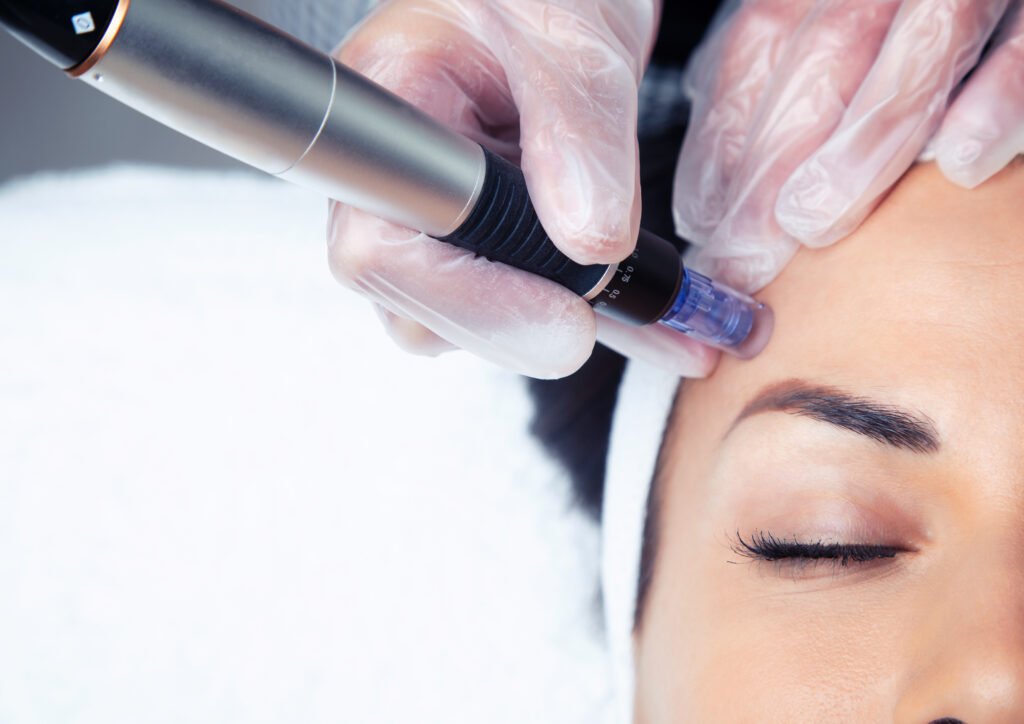
Best Professional Grade Microneedle Devices for at Home Use Table of Contents What is microneedling? By now, you’ve likely heard of microneedling and possibly even had a professional microneedling treatment. Microneedling therapy is also known as collagen induction therapy, derma rolling or skin needling, and is generally safe for most people and all skin types. Collagen induction therapy is a minimally invasive cosmetic procedure that uses a hand held microneedle pen that is used to create micro-wounds in the skin to stimulate the body’s natural healing process through increased collagen and elastin production. For more information on the research and science behind microneedling and it’s effectiveness, click here: https://bestbeautyhacks.com/the-science-behind-microneedling/ Types of microneedling devices There are a few microneedling device types available for you to choose from. Microneedle roller or derma roller, microneedling stamp, and microneedling pen or sometimes called a derma pen. This article will focus on the microneedling pens, as they are the professional grade option. For more information on the differences between these device options and the pros and cons of each option click here: https://bestbeautyhacks.com/types-of-micrneedling/ How it works Microneedling devices come in a range of brands, prices, and features. However, this article will focus on the microneedling pen devices, and every pen has a few core similarities: Disposable cartridges for different needle counts Speed and depth settings Rechargeable power source The disposable cartridges hold tiny needles, and the quantity of needles per cartridge is usually 12, 24, or 36 count. While the needle cartridge may vary per device, these three are the standard count. Typically, the smaller needle count cartridges are used for the face and targeted areas to provide a sufficient amount of stimulation without causing too much damage to the skin in the process. The higher needle count is used for atrophic acne scars. These are acne scars that leave an indent or uneven skin texture, even after the inflammation heals. The larger needle count also works well for stretch marks. Some microneedling pens are also compatible with a “nano” cartridge. These do not include needles, but rather a very superficial “punch” that offers milder exfoliation. Nanos are best for more sensitive skin or those that need very little maintenance, as a nano punch can penetrate through the skin barrier and help with product absorption in the skin surface. Benefits of microneedling tools Generally, microneedling treatments fall into the categories below: Anti-aging Texture or scarring Pigmentation The skin benefits of this minimally invasive procedure address several skin concerns, with very little downtime. Below are a few of the many benefits of microneedling therapy: increase collagen and elastin production improve skin texture and skin tone reduce fine lines and wrinkles reverse some signs of aging skin treat acne scarring reduce surgical or raised scars improve the appearance of stretch marks reduce the appearance of hyperpigmentation, or dark spots reduce enlarged pores improve skin elasticity reduce hair loss This list is not exhaustive, and more benefits are being discovered all the time. For more information on the benefits of a microneedling treatment, click here: https://bestbeautyhacks.com/benefits-of-microneedling/ Microneedling vs. botox vs. fillers? Getting botox and/or fillers is a personal choice, but please consider this; while they may seem like a quick fix, they are both temporary and when they wear off, your skin will revert back to it’s original appearance or worse as your skin loses elasticity. These are both expensive with regular recurring upkeep, risk of infection (horrific personal experience on this one, left scars from a professional treatment that I’m still trying to remove). On the other hand, every time you have a microneedling treatment, your skin actually improves over time as your own natural growth factors increases to strengthen, smooth, improve uneven skin tone and add volume to your skin. The benefits of microneedling address more than just lines and wrinkles while being less invasive with fewer side effects. Professional vs. at home use While I am a huge fan of microneedling treatments, I am not a fan of how expensive the professional microneedling treatments are. The average cost per professional treatment is $300 and could be as expensive as $500 depending on where you live and the salon you go to. I do suggest you have a few professional microneedling treatments before you try it yourself at home, so you’re familiar with the protocol, pain tolerance, etc. Contraindications of microneedling Microneedling treatments are safe for almost everyone. Here are some common contraindications to be aware of before trying microneedling therapy: Accutane, even 6 months to a year off Skin cancer Suspicious blemishes Pregnant or breastfeeding Recent exfoliation (chemical peel, laser, etc.) Immune system issues such as lupus Acne Infection Open wounds or wound healing issues A typical session can result in the following side effects: Skin redness and swelling Sensitivity to products and sunlight Some discomfort, feels like a sunburn Some pinpoint bleeding Light shedding of dead skin cells Note: while it’s not necessarily a contraindication, microneedling does not work on keloid scars. FAQs Is microneedling safe? Microneedling is considered safe for almost everyone and all skin types. However, it is imperative to sterilize everything to avoid infection. Is microneedling painful? Depending on the depth of the needling, it can be painful if performed without a topical numbing cream. With numbing cream it is mildly uncomfortable in some areas where the skin is thinner (forehead). Will deeper microneedling give me a better treatment? Not necessarily. You could cause irreversible damage to the deeper layers of skin with aggressive treatments. A depth of 1.0mm should be the maximum depth performed by a non-professional. If you have deep scarring or other such concerns that aren’t improving after several treatments, it’s best to have a professional provide the microneedling treatment. How often can I have a microneedling treatment? Every week for a cosmetic microneedling treatment and 4-6
Microneedling 101: A step by step protocol
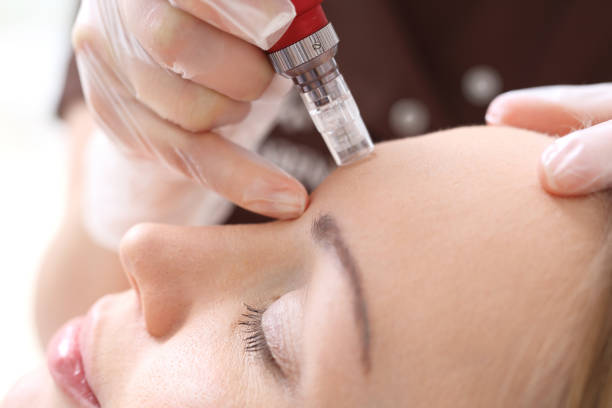
Microneedling treatment 101: A step by step protocol Are you ready to start your skin rejuvenation journey with microneedling, but not sure of the process? It’s always a good idea to do your research on any product or treatment so you feel comfortable and confident to move forward. I’ve outlined the process below from when I have professional treatments and what I’ve adapted for at home treatments. You’ll want to check out this article before you begin, to understand the types of microneedling treatments: https://bestbeautyhacks.com/types-of-micrneedling/ Before you begin What you will need: Microneedling device A sterile microneedle cartridge, compatible with the microneedling pen of choice Alcohol for sterilizing Cotton pads Numbing cream – 5% Lidocaine Serum for slip, hyaluronic acid is the safest Generally, hyaluronic acid is used for hydration, skin rejuvenation and slip during the microneedling treatment. It is the safest serum to use, considering your are needling it into your skin. There are some additional serum options that are being combined with microneedling, for additional benefits that can be customized depending on your skin care needs. Growth factors and peptides are chains of proteins, which are the building blocks of your skin to keep it strong and healthy. These are essential in wound healing and rebuilding textured skin. Stem cells can be found in plants, animals, and humans. While human stem cell treatments in the past were hotly debated, we can now safely harvest stem cells via plasma in the blood. Please just be very mindful and cautious of all ingredients, as they will penetrate beyond the skin barrier, and could cause irritation, a reaction or worse. General protocol ALWAYS sterilize EVERYTHING with isopropyl alcohol 91% before you start, including bottles, microneedling pen, etc. Double cleanse to ensure all makeup and oils are removed Apply numbing cream for medical microneedling. Numbing cream is not necessary for cosmetic microneedling Once numb (about 20-30 minutes), be sure to remove ALL the numbing cream – you don’t want to needle any of it into your skin! Cleanse again to remove any residue from numbing cream Wipe treatment area and hands with isopropyl alcohol to sterilize Attach disposable, sterile needle cartridge to pen Adjust depth of needle and speed for each area of the face. The forehead requires less depth since the skin is thinner, while the cheeks require a higher depth, etc. Each microneedling pen will have a manual to show the adjusted depths per treatment area. Apply serum for slip. Be extra careful with your choice of serum. Only use one that is intended for microneedling treatments. Hyaluronic acid is the safest. DO NOT use Vitamin C, retinol or other aggressive products that could cause a reaction. Turn the microneedle pen on, hold skin tight with one hand and glide with gentle pressure – the pen over your skin in small patches or grids using vertical, horizontal, and diagonal patterns. Keep applying serum as needed for slip. The goal is for each area of the face to have the same level of erythema, or redness. You can do small circles in areas that need extra attention. Post treatment It’s not necessary to wash your face, but if you are compelled to do so, be sure to use tepid water and apply hyaluronic acid to hydrate, sooth and calm the skin. Avoid exercise, sweating, swimming, makeup and sun exposure for the first 24 hours. It’s common to have redness, swelling, pinpoint bleeding. This usually subsides after 24-48 hours. Be especially gentle with your skin for the next week. Don’t use any harsh or abrasive products or tools. You may peel from the treatment, just be sure to allow your skin to heal on the surface. Be sure to avoid sun exposure for at least a week, wear sunscreen and drink plenty of water to help protect your skin barrier and hydrate your skin. After a week post treatment, I like to derma plane (the use of a medical scalpel to remove superficial vellus hair from the face) to get any leftover flakes off for extra smooth skin. You can return to your regular skin care routine after a week. Be sure to space out your microneedling treatments at least 4 weeks, ideally 6 weeks to allow your skin’s natural healing process to fully cycle. If you would like more in depth information on microneedling, this book is a great resource: The Concise Guide to Dermal Needling by Dr. Lance Setterfield: https://bestbeautyhacks.com/microneedlebook Was this article helpful? Do you have additional questions on microcurrent therapy? Please leave us a comment! *Disclaimer: This blog is not intended to provide diagnosis, treatment or medical advice. Content provided is for information purposes only Please consult with a physician or other healthcare professional regarding any medical or skin related diagnosis or treatment options. The statements made about specific products throughout this blog are not to diagnose, treat, cure or prevent disease. It is important that you check labels to determine if a product is right for you. Before starting any treatment at home consult a health care or skin care professional to determine if it’s right for you. *Disclosure: some links may be affiliate links where I may get a small commission at no additional cost to you.
The science behind microneedling

The science behind microneedling therapy Microneedling therapy is a current hot topic in the beauty community, and for good reason! A microneedling treatment is the more common name for collagen induction therapy or CIT, but it is also called dermarolling and skin needling. Collagen induction therapy is a minimally invasive skin rejuvenation procedure, often cited for helping with acne scars, stretch marks, skin texture, uneven skin tones, and to help the body increase collagen and elastin production. As we age, it takes longer for our body to produce fresh, young skin cells because we produce less collagen and elastin to keep our skin full and youthful. Microneedling treatment stimulates production of your natural growth factors, improve skin elasticity with the production of collagen and elastin to encourage skin rejuvenation. The history The first uses of microneedling therapy was recorded in the early 1900s as cosmetic procedures to treat scars, stretch marks, birth marks and post inflammatory hyperpigmentation using a burr type tool. By the mid 90’s it was being used to treat wrinkles and scars, and gained more attention when a small needle stamp device was developed to induce collagen induction therapy. With continued research, it was discovered that microneedling therapy was successful in treating more than scars. Because a microneedling treatment induces collagen and elastin production, it helps eliminate fine lines and wrinkles, treats acne scars, improve skin texture and skin tone, increase collagen and elastin as well as treat pigment issues, and so much more. The science The science behind microneedling is to create micro-wounds by a microneedling device with very fine, sterile “micro” needles that puncture the skin to the dermal layer – below the epidermis, where collagen and elastin are produced. This in turn stimulates the body’s healing process. This process can also be called “percutaneous collagen induction therapy.” It is the body’s natural healing response when wound healing, and this controlled, alternative treatment stimulates the production of collagen and elastin in the areas you want treated. Further research discovered additional types of treatments that may include platelet rich plasma or PRP in combination with collagen induction therapy. Also known as Vampire Facials, these cosmetic procedures use the patient’s own blood containing growth factors which is applied to the treatment area during and after collagen induction therapy to boost production of collagen and elastin even more. These are more involved cosmetic procedures as the platelet rich plasma has to be drawn from the patient and separated from the other blood cells. This procedure can cost an average of $1500 per treatment, and studies are still being done on the effectiveness of the combined treatment of platelet rich plasma containing growth factors and collagen induction therapy. Other treatments being combined with collagen induction therapy include led light therapy, radiofrequency and growth factors to name a few. In addition to microneedling treatments on your skin, people are getting positive results with microneedling treatments for hair loss. While the combined procedures are still being studied, collagen induction therapy results on it’s own are undeniable. For a comprehensive list of benefits from microneedling therapy, check out this link: https://bestbeautyhacks.com/benefits-of-microneedling Disclaimer Microneedling therapy is a cosmetic procedure. Microneedling devices and treatments are not meant to be used to diagnose or treat any medical conditions. Was this article helpful? Do you have additional questions on microneedling therapy? Please leave us a comment!
Types of microneedling
Types of microneedling Did you know that there are different types of microneedling devices as well as different types of microneedling treatments? This article will explain the differences between them to help determine which options are right for you Microneedling devices There are mainly 3 different types of microneedling devices when considering microneedling treatments. I’ll outline them below, along with an explanation of each device. Derma rolling This is a microneedling device that is a manual tool with a handle and a cylinder on the end that has tiny needles around the cylinder. It functions by rolling the needled cylinder over your skin in different directions to puncture the skin. Derma rollers come with different needle lengths, depending on what area you are trying to treat and your pain tolerance. Things to keep in mind with derma rolling: When you roll the cylinder over your skin, you are causing a tear as the needle enters and exits the skin, so it’s not an even puncture. you should only get a derma roller that has needles made of titanium. Stainless needles can bend, which can cause larger wounds that may scar as it enters and exits the skin. Skin stamping This is a microneedling device that is a manual tool with a handle and flat end shaped in a square that has tiny needles. This functions by pressing or stamping the square end into your skin, lifting, moving and stamping again until you’ve covered the desired area. This is a good option as it doesn’t cause tearing as long as you are careful with the stamping method. It is also an inexpensive option if you haven’t tried microneedling previously, to give you an idea of how it works, what it feels like and if it’s something you want to add to your skin care routine on a regular basis. As with the derma rolling, the skin stamping comes in varying needle lengths depending on the area you want to treat. Microneedling pens These are powered devices that have sterile, disposable needle cartridges that you can adjust the depth of the needles and the speed and precision of the punctures. Because of this, these are the gold standard of microneedling devices. While microneedling pens are the more expensive option, they are on average half the price of one microneedling treatment and far outweigh the manual options with functionality. Microneedling treatments Cosmetic microneedling therapy Cosmetic microneedling treatments are considered cosmetic when the needle depth is around .25mm. The purpose and benefits of cosmetic needling are for better product penetration. The needle depth is just enough to get through the top layer of skin cells, allowing beneficial product ingredients through for better results. Some microneedling pens even have the ability to use nano needle cartridges specifically for cosmetic microneedling. Nano needles have a flat tip and push skin cells apart instead of puncturing through the skin. While this is a nice option, it’s not necessary as long as the needle depth is .25mm. You can do cosmetic needling once a week for an extra special facial treatment, since it doesn’t penetrate into the epidermis and affect the skin cycle. Medical microneedling therapy A medical microneedling treatment, or collagen induction therapy is considered medical when the needle depth is .5mm or deeper. This is the traditional microneedling treatment. I’ll be honest with you, at a minimum this treatment is uncomfortable. And on some areas like the forehead, it’s downright painful. A numbing cream makes it manageable though. Microneedling works because tiny punctures at a specific depth in the epidermis will stimulate more collagen production for skin rejuvenation from the skin’s healing process. A microneedling device in your skin rejuvenation journey is highly recommended if you’re looking to treat acne scars, skin tightening, stretch marks, scar tissue, reverse sun damage, treat hair loss, wrinkles, or just have younger looking skin. Combine any of the following with your traditional microneedling treatment to enhance results even more: growth factors, platelet rich plasma, led light therapy, or radiofrequency energy. Was this article helpful? Do you have additional questions on types microneedling therapy? Please leave us a comment!
Benefits of microneedling

Benefits of microneedling Overview of microneedle therapy Microneedling therapy is also known as collagen induction therapy, derma rolling or skin needling, and is generally safe for most people and skin types. Collagen induction therapy is a minimally invasive cosmetic procedure that uses a microneedling device with very tiny needles or “micro” needles to puncture the skin causing micro wounds to the epidermis layer where collagen production happens. This stimulates collagen production in the skin to initiate all the skin rejuvenation and anti-aging benefits of microneedling. Benefits of microneedling The skin benefits of this minimally invasive procedure address several skin concerns, with minimal downtime. This is not an exhaustive list, but lists the major benefits. increase collagen and elastin production improve skin texture and skin tone reduce fine lines and wrinkles reverse some signs of aging skin treat acne scars reduce surgical or raised scars improve the appearance of stretch marks reduce fine lines and wrinkles reduce the appearance of hyperpigmentation, or dark spots reduce enlarged pores improve skin elasticity improve uneven skin tone firmer skin achieve brighter skin increase hair growth* *Using microneedling treatment in combination with a hair growth serum has been shown to improve hair growth better than with a hair growth serum alone. The microneedling treatment on your scalp allows the hair serum to penetrate deeper. Side effects of microneedling therapy There are some side effects you may experience for a few days after a microneedling treatment. While microneedling has minimal downtime, you do need to be extra careful for a week to two weeks after a microneedling treatment as the surface skin heals. Use only gentle products and try to avoid sun exposure. possible pinpoint bleeding minor pain and skin irritation temporary inflammation peeling Consult a board-certified dermatologist, medical professional or healthcare provider prior to a microneedling procedure if you have any active infections, sensitive skin, skin conditions or skin concerns to see if microneedling therapy is right for you. Results You may see results with the first microneedling treatment but it usually takes multiple treatments to reach your desired results, and then a maintenance plan. Be careful to only microneedle once a month, as to not interrupt the skin’s healing process. It takes four to six weeks for skin’s collagen production to cycle through the dermal layers as the skin heals so to perform microneedling more often will cause inflammation and hyperpigmentation, and take longer to heal. If you are looking for a glowing complexion and a treatment that addresses many skin concerns, adding microneedling treatments to your skin care routine can be a total game change Disclaimer Microneedling therapy is a cosmetic procedure. Microneedling devices and treatments are not meant to be used to diagnose or treat any medical conditions. Was this article helpful? Do you have additional questions on microneedling therapy? Please leave us a comment!
Amazon Favorites
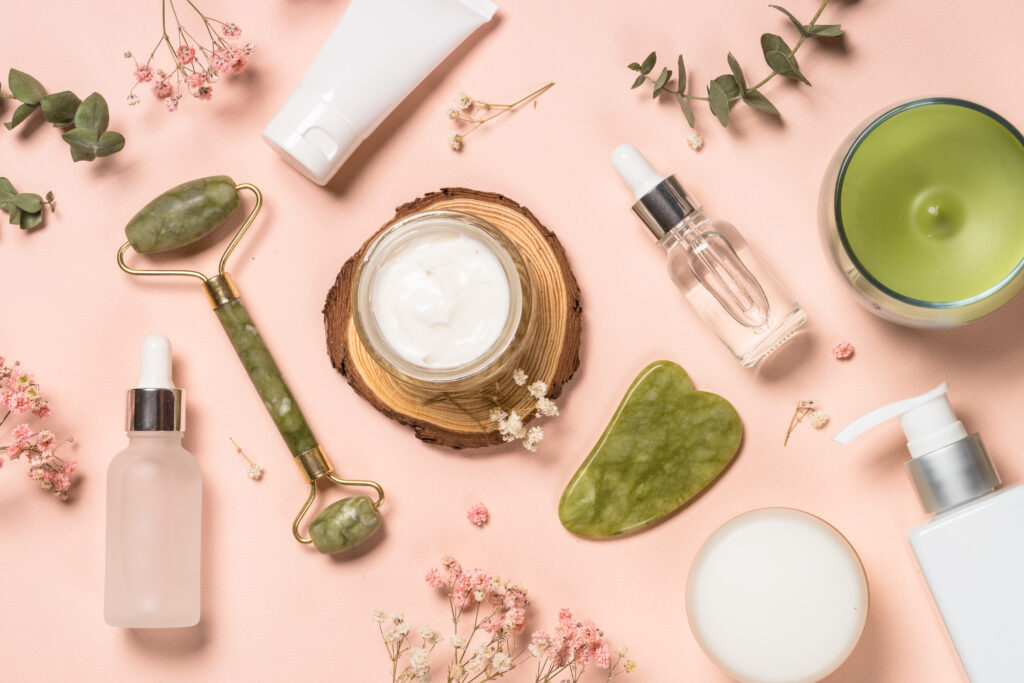
Amazon favorites These are thoughtfully curated beauty and wellness items that I have tested and would recommend to my friends and family. I’ve had several struggles in these areas, that allowed me to research an array of different products searching for solutions. Acne prone skin Nuetrogena stubborn texture cleanser – https://bestbeautyhacks.com/neutrogenacleanser Aasepxia liquid acne treatment cleanser – https://bestbeautyhacks.com/aasepxia Paula’s Choice – https://bestbeautyhacks.com/paulaschoice The Ordinary salicylic acid charcoal mask – https://bestbeautyhacks.com/theordinarymask ORG peel off face mineral peel – https://bestbeautyhacks.com/ORGmineralpeel Epicuren ultra refining scrub – https://bestbeautyhacks.com/epicurenscrub Differin – retinoid for acne prone skin https://bestbeautyhacks.com/differin Mad hippie Vitamin C – this is a stable Vitamin C serum that doesn’t cause break out https://bestbeautyhacks.com/madhippie Colorescience Total Protection Face Shield SPF 50 https://bestbeautyhacks.com/sunscreen Beauty hacks Sio beauty silicone patches – https://bestbeautyhacks.com/siobeauty Sio chest silicone patch – https://bestbeautyhacks.com/siochest Travel magnifying mirror – https://bestbeautyhacks.com/minimirror Lily silk eye mask – https://bestbeautyhacks.com/eyemask Lumify eye whitening drops – https://bestbeautyhacks.com/lumify Tools Faustina 3 in 1 – skin rejuvenation, acne, hair removal https://bestbeautyhacks.com/faustina Dr Pen microneedling device – multifunctional M8 https://bestbeautyhacks.com/drpenm8 Or most powerful A7 https://bestbeautyhacks.com/drpena7 Myolift microcurrent device – https://bestbeautyhacks.com/amyolift Gua sha – https://bestbeautyhacks.com/guasha Best tweezers – https://bestbeautyhacks.com/tweezers Hair products to improve health and growth I’ve struggled with hair loss from stress and hormones for years, but only recently realized the damage from chemicals and minerals in water when I moved to a different state. Another more recent discovery is the need to specifically treat your scalp to encourage follicle health. These products address hair loss and hair health from all angles and have helped my hair recover from a severely thin, damaged and fragile state. As a side note: if you have trouble with recurring hair loss that doesn’t seem to be hereditary, it could be a medical issue like thyroid or leaky gut/absorption. You may want to consider consulting a functional MD to diagnose and treat. Tsubaki Hair mask https://bestbeautyhacks.com/hairmask Hair dryer bonnet attachment https://bestbeautyhacks.com/hairdryerbonnet Aveda Invati Shampoo and Conditioner https://bestbeautyhacks.com/invati Aveda Invati system https://bestbeautyhacks.com/invatisystem Aveda scalp cleanser https://bestbeautyhacks.com/scalpcleanser Zenagen Thickening Shampoo https://bestbeautyhacks.com/zenagenshampoo Zenagen conditioner https://bestbeautyhacks.com/zenagenconditioner Vegamour hair serum https://bestbeautyhacks.com/hairserum Scalp massager https://bestbeautyhacks.com/scalpmassager Scalp stamp https://bestbeautyhacks.com/scalpstamp Shower water filter https://bestbeautyhacks.com/waterfilter Hair towel https://bestbeautyhacks.com/hairtowel Lily silk pillowcase https://bestbeautyhacks.com/pillowcase LED – iRestore https://bestbeautyhacks.com/ledhair Nutrafol hair supplement https://bestbeautyhacks.com/nutrafol Body Dry brush – https://bestbeautyhacks.com/drybrush Loofa – https://bestbeautyhacks.com/loofa Body moisturizer – https://bestbeautyhacks.com/alastinbody Wellness Copper tongue scraper – copper neutralizes bacteria https://bestbeautyhacks.com/tonguescraper Himalayan salt lamps – https://bestbeautyhacks.com/saltlamp Accupressure mat and pillow https://bestbeautyhacks.com/accupressuremat Smart light sunrise alarm clock https://bestbeautyhacks.com/alarmclock Supplements* If you are using a version of Vitamin C and Collagen products already, consider liposomal brands which have a higher absorption rate to optimize your results. Liposomal vitamin C – lipo naturals with sunflower oil (instead of soy) https://bestbeautyhacks.com/lipovitaminc Lipoic/verisol collagen – Sparkle skin boost – https://bestbeautyhacks.com/verisolcollagen Pure Encapsulation B complex – https://bestbeautyhacks.com/vitaminb A.D.P. – oil of oregano is amazing at boosting your immune system, I swear by this! https://bestbeautyhacks.com/ADP Boiron Oscillococcinum – relieves flu symptoms https://bestbeautyhacks.com/oscillococcinum Beekeepers natural propolis spray – https://bestbeautyhacks.com/beekeeperspropolis Disclaimer *Disclaimer: This post is not intended to provide diagnosis, treatment or medical advice. Content provided is for information purposes only Please consult with a physician or other healthcare professional regarding any medical or skin related diagnosis or treatment options. The statements made about specific products throughout this blog are not to diagnose, treat, cure or prevent disease. It is important that you check labels to determine if a product is right for you. Before starting any treatment at home consult a health care or skin care professional to determine if it’s right for you. *Disclosure: some links may be affiliate links where I may get a small commission at no additional cost to you.
How to regrow lashes and brows

How to regrow lashes and brows Overview Why is it that men in general have more beautiful lashes and brows than women? For starters, they likely are not using chemical-laden mascara or over tweezing their brows based on the latest beauty trend. While there are many medical circumstances that cause lashes and brows to fall out, this article will focus on the non-medical or cosmetic reasons, that you can identify without a professional diagnosis. And since we are talking about lash and brow regrowth, this article does not cover options like lash extensions or microblading. Lashes Let’s begin with lash regrowth. If you can determine that your lack luster lashes are because of harsh chemicals in makeup or cleansers, then lash growth serums could be a good option for you to regrow your lashes. I was one of the first on the band wagon for Latisse eyelash growth serum because my husband would tease me that I had short “stubbies” for lash length while he had long, gorgeous lashes. I had grown annoyed with this common occurrence and considered eyelash extensions and microblading, but I wanted more natural, healthier looking lashes that was lower maintenance. Side effects I had great results lengthening lashes with Latisse lash serum, but there are some definite cons/side effects to this product – some even painful symptoms, that should be considered with any lash serums: Eye irritation – eyes and rims were red Eyelid hyperpigmentation – eye lids turned dark brown Eyelash itching and irritation Dry eyes* Orbital fat loss *Dry eye patients should check with their physician prior to using a lash and brow serum. And these were just the side effects I experienced. There are many other side effects, including eye color changing to brown if they are naturally lighter like blue or green. But I’d like to bring your attention back to the orbital fat loss. Some people think this would be great, but when you lose the fat around your eye, your eye sinks in to the eye socket causing you to age drastically. This occurs gradually with extended use, and is caused from an ingredient called prostaglandin analogues. Because it’s a gradual process, you may not even notice it until it’s too late, or attribute the results of sunken eyes to aging. With continued use of products with prostaglandin, the side effects like orbital fat loss could become irreversible. If you catch it early enough, it could be reversible – with the exception of eye color change. Once your eyes change color, it’s irreversible. Because I liked having lush lashes but wasn’t willing to risk those trade offs, I needed to find a solution that didn’t have prostaglandin in the ingredient deck, but still provided results that made my lashes fuller. I’ll be honest with you, most of the lash growth products have this ingredient. For best results The key to great results is consistency. Using an eyelash growth serum daily will provide optimal results within approximately 3 months. How to use First, make sure your eyes are clean and dry, free of any oils or makeup. Most of the products nowadays come with an applicator within the tube. The best applicators for eyelash growth serum are fine bristle brushes for exact placement of the product. For longer lashes, apply a thin layer of lash serum along the upper lash line, being careful not to get it in your eye. There is no need to apply to the lower lash lines, just close your eyes for a few seconds before the lash serum dries, and it will spread to the lower lash. Allow to dry completely before applying any additional products or makeup to the eye area. I prefer to apply eyelash serum at night to allow it to work while I sleep, but be careful not to put too much on because it will actually grow hair on your eyelids and cheeks if it spreads Active ingredients There are some great lash serum solutions available with different active ingredients. The products that have a combination of growth factors and peptides will be the best bet. This is because growth factors on their own are great for obvious reasons, but when combined with certain peptides not only stimulate growth of eyelashes but boost the efficacy of the growth factors. Without the negative side effects! Look for products that have clean ingredients and are safe to use every day. Brows Now let’s talk brow serum. If you want to reshape or regrow over tweezed brows, or maybe like me you want to regrow the sparse brows you suddenly realized you rubbed off in your sleep – brow growth serums are a good solution. *Sometimes brow loss isn’t as noticeable as lash loss and could be a symptom of thyroid issues or menopause, so be sure to talk with your doctor if you have concerns. Eyebrows take longer to regrow or reshape than lashes, on average a year compared to 3 months with lashes. Here are some tips to help manage the regrowth cycle: Do not tweeze! Let them grow in until you start to get the shape you want. This could take a couple months Use a spoolie to stimulate circulation and thicker hair growth Use a brow serum daily Use a brow product like a pencil or powder to help fill in gaps and shape during regrowth phase For best results As with lash serum, consistent use of a brow serum is the key to success. Keep in mind, it takes longer to develop thicker eyebrows than lashes, so be patient with the brow serum you choose. How to use Be sure eyes and brows are clean and dry. The applicator varies quite a bit with a brow serum. Sometimes it’s a thin brush, a sponge applicator, or a bristle brush. *Pro tip: If the applicator isn’t a bristle brush, then use a spoolie
Advanced Beauty Tools: Hi-Tech Beauty Modality Comparison
Let’s review some of the most popular hi-tech beauty tools currently on the market
Best Professional Grade Microcurrent Devices for at Home Use
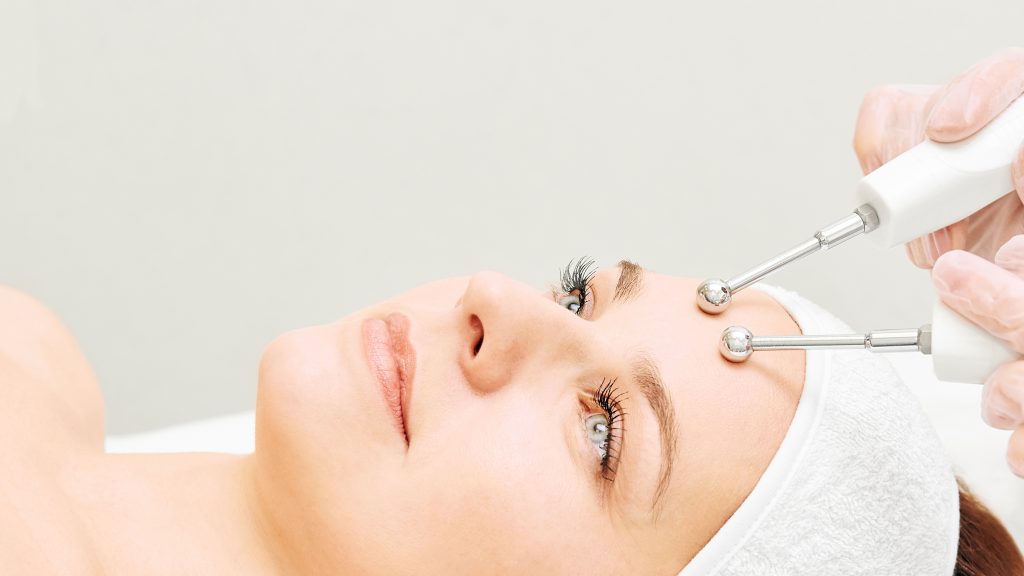
Best Professional Grade Microcurrent Devices for at Home Use Table of Contents What is microcurrent? You may have heard about microcurrent as one of the latest modalities in the beauty industry, but what is it? Microcurrent therapy is a non-invasive workout for your face to stimulate facial muscles. This facial toning device improves skin tone, minimizes fine lines and lifts your face naturally. A microcurrent machine is like a facial massager that also stimulates blood circulation, cell growth and collagen and elastin production. So each treatment is a skin tightening facial with no down time and often immediate results for an instant face lift. Microcurrent therapy has a cumulative effect; meaning, regular consistent microcurrent facials will have lasting benefits. The results from a microcurrent facial are so dramatic that the treatment is often referred to as a “non-surgical face lift”. Microcurrent therapy has been used in the medical industry since the 1970’s, as a safe and effective therapy for pain relief, and to treat conditions such as Bell’s Palsy which is a form of paralysis in the facial muscles. Only recently has it been clinically tested and used in the beauty industry as an anti aging face massager to combat fine lines and wrinkles, sagging skin and other signs of aging. How it works Microcurrent therapy works by using low levels of electrical current for facial sculpting by stimulating facial muscles to improve skin tone, fine lines and lift your face and neck naturally. There are several different kinds of microcurrent facial machines. This article will focus on microcurrent machines that are considered professional grade for an at home spa treatment. For the professional microcurrent facial machines that come with metal probes, the probes are placed in specific areas to stimulate the facial muscles throughout your face. Sometimes the probes require 2 hands, similar to what skin care professionals use, and some microcurrent facial devices have the probes as metal orbs in a single handheld device. Metal probes require a conductive gel, so keep this ongoing cost in mind when purchasing your at home microcurrent device. While you can use aloe vera gel in a pinch, it’s not recommended. Aloe is water based, and won’t conduct properly so your results will be less than optimal. The microcurrent facial machines will be penetrating the conductive gel into your skin, so you want a good conductive gel that has quality ingredients that penetrate properly for optimal results. If you are someone who is intimidated by the probes, there are other options to consider. Some at home microcurrent facial machines offer gloves instead of, or as well as probes. This can be a great alternative, because using your hands can be easier, especially for a beginner, and the gloves don’t require conductive gel. The gloves are silver threaded for conducting, and anti-microbial, which is an added bonus for acne prone skin. You do need to wear nitrile or poly gloves under the conductive gloves so you’re not treating your hands instead of your face. Although if you want to treat your hands, just don’t wear the poly gloves under the conductive gloves. Each of the microcurrent facial machines will have different settings and intensities as well as their own specific process for using their machine. But generally, you apply conductive gel to clean skin, choose the intensity setting and touch the probes or gloves to your skin. There are different techniques depending on the microcurrent device; pinch and hold, or slowly moving along muscles and areas you want to treat. Key benefits Some of the many benefits of using a microcurrent device regularly are listed below. Keep in mind, the list of benefits is extensive and results can be immediate and long lasting with consistent treatments. The top performance benefits are: Natural alternative to botox Facial sculpting Skin tightening Significantly increase ATP production Diminishes fine lines and wrinkles Improve skin tone Firmer skin More radiant skin Reduces fine lines and wrinkles Glowing skin Improves blood circulation Improves skin elasticity Improves sagging skin Stimulates collagen and elastin production Helps with lymphatic drainage Natural alternative to surgery Works with all skin types Gentle with no down time! Professional vs at home use While this article is geared toward microcurrent devices for home use, you can certainly find skin care professionals who provide these treatments as well. If you go this route, you want to make sure to find an esthetician who is licensed and certified in doing microcurrent facials, and has good equipment. Their equipment should be professional grade for commercial use, so the results will be more dramatic than the microcurrent devices you can find for home use. It does come with a hefty price tag though: prices range from $250 to $500 per session. Keep in mind, this is not a one-time fix. You get best results from microcurrent facials when you do them consistently. Considering the cost for professional sessions is significant with the need for continued microcurrent facials, it’s a great option to be able to purchase your own at home microcurrent devices for personal use. How to choose the best microcurrent device for your needs So, what product will give you the best microcurrent facial? Choosing a microcurrent machine is based on your personal needs. Some factors to consider when choosing a microcurrent device are: Cost of the microcurrent device, as well as any additional costs for continued use, i.e. conductive gel or poly gloves Is there a warranty? Intensity settings? Frequency required for desired results Ease of use. Some microcurrent devices require 2 hands, some require 1 hand. Is it portable? Can you travel with it? Contraindications for microcurrent While microcurrent therapy is safe, you should consult your physician if you have any health concerns. Some of the main contraindications for microcurrent therapy are: Pacemaker or other electrical implanted devices Metal implants Open sores on your facial skin Pregnant or nursing Epilepsy or a