Menopause: Stages, Symptoms and Resources

Menopause: Stages, Symptoms and Resources Did you know that one third of all women are currently in some stage of menopause? Yet there is such a stigma around this topic, that most women are uncomfortable talking about it, even with their doctors. Menopause is a natural process that marks the end of a woman’s reproductive years. The duration of menopause can vary greatly among individuals. Here are some key points to understanding the menopause transition: Perimenopause: This is the transition phase that can begin 8-10 years before menopause, often starting in a woman’s 40’s. During this time, the ovaries gradually produce less estrogen and you begin to notice menopause symptoms (hot flashes, etc) Menopause: This is not a phase, but more so an event that is diagnosed by a doctor after a woman has gone 12 consecutive months without a menstrual cycle. Once in menopause, the symptoms may continue for an average of 4-5 years but they tend to decrease in frequency and intensity. Postmenopause: this is the phase after menopause, and lasts the rest of a woman’s life. During this stage, menopause symptoms may ease, but some women continue to experience them for a decade or longer. The menopause transition usually lasts around 7 years, but for some women it can take 14 years. Symptoms may not be present the entire time though. Please note that these are averages and the experience can vary widely from person to person. I started menopause before my older sister. Menopause was trauma induced for me even though my sister experienced the same trauma. The key though, is to start talking with your friends and doctor early so you can have a deeper understanding of what to expect. The symptoms of menopause also varies widely among women, differing in both severity and duration. These symptoms can disrupt your daily routine and sleep, affecting your overall quality of life. Hot flashes are one of the most common symptoms of menopause, with about 75% of menopausal women experiencing them. These involve a sudden feeling of warmth spreading through the upper body and face, often accompanied by sweating and rapid heartbeat, from moderate discomfort to severe. Night sweats, essentially hot flashes that occur at night, can also disrupt your sleep. Irregular periods are another telltale sign of this transitional phase. The menstrual cycle can become unpredictable, and the flow may be heavier or lighter than usual. In addition, vaginal dryness can be an issue, causing discomfort during sexual intercourse. Emotional symptoms are also prevalent during menopause. A strong link exists between hormonal changes and mood swings, anxiety, and depression. Fatigue and trouble sleeping are other common symptoms, with menopausal women often complaining of insomnia or disrupted sleep. Physical changes also accompany menopause, with many women reporting weight gain and slowed metabolism. Skin and hair may become dry due to decreased collagen production. Moreover, urinary incontinence and susceptibility to urinary and vaginal infections can increase due to a weakening of the urinary tract tissues. These common indicators of menopause are usually a sign that your estrogen and progesterone levels are decreasing. But remember, every woman is different. Some may experience most or all of these symptoms, while others might go through this transition with minimal discomfort. If you are experiencing other symptoms that you are unsure about, they may be less common menopause symptoms. There are actually over 70 identified symptoms of menopause! Uncommon symptoms of menopause: https://thepauselife.com/blogs/the-pause-blog/uncommon-signs-symptoms-of-menopause?_pos=1&_sid=867b3e296&_ss=r The bottom line: education is key to managing symptoms. If you don’t get an answer that aligns with your needs, ask someone else. If your GP doctor wants to put you on a synthetic HRT and you’re concerned with the long term affects based on your personal situation, find a functional doctor. Keep asking. There isn’t enough attention given to this topic in general medical practices, but if there is demand for it more practitioners will step up to meet the need. Menopause is inevitable, but no one should suffer in silence. You can regain normalcy with the right guidance for your needs. Here are some great resources to learn more: https://thepauselife.com/ Dr Marie Clair Haver’s site, she is a wealth of great information, resources, products and community. You can also pre-order her new book, The New Menopause, releasing April 30, 2024 https://www.gennev.com/ Find a physician who specializes in menopause, covered by insurancGP e Was this article helpful? Disclaimer *Disclaimer: This post is not intended to provide diagnosis, treatment or medical advice. Content provided is for information purposes only. Please consult with a physician or other healthcare professional regarding any medical diagnosis or treatment options. The statements made throughout this blog are not to diagnose, treat, cure or prevent disease. Before starting any treatment at home consult a health care professional to determine if it’s right for you.
10 Benefits of Journaling
10 Benefits of Journaling You have probably been hearing more and more conversations and interest in this, but did you know that one of the best wellness practices is journaling? If you haven’t explored this yet, journaling is in it’s most basic understanding, a practice of writing down your thoughts and feelings on a regular basis. While that may not sound very profound, journaling helps you process life’s events and can actually have many benefits for your mental and physical health, such as reducing stress and lowering blood pressure. Below are 10 benefits of journaling you may not be aware of: Boost in Emotional Intelligence: Journaling enables you to better understand your emotions, providing a deeper insight into your thoughts and feelings. This emotional intelligence helps you manage and respond to different situations effectively. Memory Enhancement: By writing down your experiences, thoughts, and ideas, you aid your brain in retaining that information. Journaling essentially strengthens your memory and comprehension skills. Stress Relief: Journaling acts as a therapeutic activity that helps to reduce stress. By putting your thoughts and feelings onto paper, you’re able to alleviate the burden they may cause and promote peace of mind. Boost in Creativity: Journaling opens up the door to your creative side. When you’re writing freely and without restrictions, you’re engaged in a creative process that can spark new ideas and thoughts. Enhanced Problem-Solving Skills: When faced with problems, writing them out can help you see things from different perspectives and explore various solutions. This habit can significantly improve your problem-solving skills. Improved Communication Abilities: Regular writing helps you become a better communicator. As you express your thoughts and ideas on paper, your ability to articulate complex ideas effectively improves. Increased Mindfulness: Journaling propels you into a state of mindfulness. The process of writing requires focusing on the present, hence promoting a greater level of consciousness and attentiveness to your surroundings. Cultivation of Positive Habits: Regular journaling instills discipline, which can spill into other areas of life. It encourages consistency and the development of positive routines. Greater Self-Confidence: By acknowledging your achievements and personal growth through journaling, you build higher self-esteem and confidence in your abilities. Achievement of Goals: Journaling allows you to track your progress towards your goals. By regularly writing down your objectives and assessing your progress, you are more likely to stay committed and achieve your targets. To start journaling, you can choose a method that suits your preferences and goals. For example, you can use a notebook and pen, a computer, or a phone app. You can write about anything that comes to your mind, or follow some prompts or questions to guide your writing. You can journal daily, weekly, or whenever you feel like it. The most important thing is to be honest and consistent with yourself. My favorite journaling tools are through Intelligent Change. I love the thought provoking daily quotes, the commitment you make to yourself and the easy format of this journal. Intelligent Change has several other great journals and products too, all geared toward gratitude and growth. You can find out more here: Intelligent Change – Tools to Positively Change Your Life If you want to learn more about journaling, you can check out these websites for some tips and examples: 15 Benefits of Journaling and Tips for Getting Started Journaling: Mind and Body Benefits, Plus Prompts The Benefits of Journaling & Why You Should Keep a Journal 21 Benefits of Journaling: Write Your Way to Better Health Was this article helpful? What are your favorite journaling tips? Disclaimer *Disclaimer: This post is not intended to provide diagnosis, treatment or medical advice. Content provided is for information purposes only Please consult with a physician or other healthcare professional regarding any medical or skin related diagnosis or treatment options. The statements made about specific products throughout this blog are not to diagnose, treat, cure or prevent disease. It is important that you check labels to determine if a product is right for you. Before starting any treatment at home consult a health care or skin care professional to determine if it’s right for you. *Disclosure: some links may be affiliate links where I may get a small commission at no additional cost to you.
How to: Create your Best Year Yet
How to: Create Your Best Year Yet Reflect on the past year How was this past year for you? Eager to shake the dust from your shoes and jump into the new year? If we want actual change and don’t want to repeat some events, then we need to spend some time reflecting on what went well and what we’d like to change. Acknowledge wins and lessons to learn from Write a list of 10 things that you accomplished over the past year. They can be personal or professional. Add detail to describe the effort it took to accomplish your wins. Read this list whenever self-doubt starts to creep in, because you may have accomplished these wins without a lot of intentional planning. Now think about the lessons you’ve learned from the past year. Some people may call these failures, but it’s all perspective and an opportunity to learn something. It may not have turned out the way you wanted, but often times it’s because there is something better than you imagined, waiting for you. How can you take these learnings and apply to your goals in order to grow in a positive way, to live the live you want to live? Remember: life happens for you, not to you. Set meaningful goals, both personal and professional Do you want to get in better shape or improve your health this year? How about find a new career? Everyone will have different goals, choose ones that you personally really want to achieve. Think of your life in the following main categories. These are the categories where most people want to see improvement: Health and fitness Intellectual Career Financial Social Relationships What are your goals and aspirations for the new year? Make SMART goals: Specific, Measurable, Attainable, Realistic, Time-bound goals. Who do I want to be this year? What are my non-negotiables? What type of boundaries am I setting? What am I willing to sacrifice to make my goals happen? List out 5-6 main goals across these categories for the year that you want to achieve. They can be personal and professional for balance. Then detail the steps it will take to accomplish each goal. Break out the steps into quarterly goals and then monthly goals. This will help you stay on track by breaking it down to manageable tasks as well as helping you stay on schedule with monthly reviews. Also list out any obstacles for each goal and what steps would you need to take to overcome these obstacles. Do you want to join a gym but can’t afford a membership? Then find creative ways to exercise at home depending on your level (youtube, buy a set of resistance bands or dumbbells) and schedule it into your calendar. The goal is to remove all obstacles and excuses. Create a clear vision Choose a word for the year that will be your overall theme based on your goals. Something like “Transformational” or “Intentional”. Something that motivates you when you think of it. Use these to create a vision board. This can be digital on your computer as your screen saver, or a physical board with cut outs from magazines. Be as creative as possible, as this is meant to be placed somewhere where you see it often and it provides motivation and reminders to keep your goals top of mind. While you can certainly accomplish goals on your own, it’s really helpful to have an accountability partner, coach or group, that you are accountable to for reaching your goals. Here’s to YOUR best year yet! Need help with goal setting and/or accountability? Please let me know!
A Year in Review
A Year in Review This is such a good article from Intelligent Change, that I’m reposting it here. Enjoy! As the year comes to an end, it is an excellent time for reflection, especially on the lessons we have learned. Adopting a growth mindset means seeing lessons and opportunities in whatever happens throughout the year. If we can find something to learn even in a perceived hardship, we develop mental resilience and are gifted with energy and a fresh take on life. Here are 20 lessons about life and business we learned in 2023. Accepting uncertainty is how you embrace change We stress ourselves trying to find clarity. Having a plan is good, but if you find yourself continually overwhelmed by the need to control your future, find a way to let go. Viewing life as a continual test makes it more interesting. It puts challenge into the equation, so that when things do get tough, you can see it as an opportunity to develop patience, learn the lesson, and grow stronger. Understand that even the most organized people respond to feedback in real-time. Forget having clarity all the time for now. Instead, accept uncertainty. Embrace the change. Grow through your experiences. Investing in yourself is the best investment It’s easy to forget how crucial our bodies, minds, and their interconnection is in pursuing our goals. We focus on the external, often at the expense of our personal health and energy. Yet, investing in ourselves should always be at the top of our priorities. What does vital self-investment look like? Daily exercise or any sort of activity Regular meditation or engaging in mindfulness practices Eating nourishing, quality food Creating meaningful moments and having memorable experiences Regularly developing and improving our skills in a specific area Act in alignment with your values You can work with mentors who have done what you want. You can get a coach who can steer you in a direction that works for you. But, ultimately, doing what you know in your gut is right is something you can tremendously benefit from tapping into. Trust your intuition, always. Define your values and act in alignment with them. Find your purpose and follow it through every decision you make. Our minds work best when we focus on the good We always have a choice. We can seek out and focus on what isn’t working, or we can notice the beauty of small, everyday moments and the things that work. Our minds become more effective when we’re not stressed by the perceived negativity in our lives. We can choose how much of that gets in. We are big advocates for gratitude, as it helps you shift the perspective on what’s good. Stress cannot be felt without a stressful thought Our thoughts create our emotional experience. Truly understanding this can have profound implications for our lives. We are free when we see that stress is built from our interpretation of what’s happening. The more we accept stressful thoughts that arise, the more stressed we will feel. The solution? Take full ownership of your mindset. Learn how to control stressful thoughts, and you will feel more at peace. The simplest productivity system is to do one thing at a time with enjoyment Many of us get stressed by the complex array of productivity hacks and systems out there. But when we slow down and get present, we see that all we need to do to be productive is one thing at a time. Small, smart steps. Anything can be enjoyed, believe it or not. When we find a way to enjoy the process, we excel at productivity. We find our flow. We get things done. We work smarter, not harder. Focus on the long-term goals Your mindset can change when you realize that your life is a marathon, not a sprint. Choose long-term goals, because with time you will discover that long-term focus with consistent daily steps is way better than the feeling you get from short-term pleasures. Choose sustainable, intentional growth. Stop trying to be motivated all the time and focus on building momentum Lately there’s a lot of emphasis on motivation because it appears as though we need to be in the mood to take action all the time. But people who succeed rarely start things––or achieve their goals––by constantly being in a great mood. What they are great at is acting consistently. Consistency creates momentum, which motivates you to keep going on. A question that will transform your life is ‘How can I use this?’ The type of questions we ask ourselves can change the trajectory of our life. That isn’t an overstatement. People who often struggle––without even realizing it––sabotage themselves by asking questions like Why did this have to happen to me? This creates a victim mentality, also known as a fixed mindset that will hold you back. Those who make the most of life ask How can I use this? This approach takes any challenge and turns it into something that can create a positive change or add more value. You can’t fail if you don’t quit We love the idea that failure is only cemented when you stop entirely. You may need to evolve, pivot, and adapt, but if you stay on course, continue to learn, and approach every situation with a growth mindset, you will find a way through. Persistence guarantees success, so stay with it. Life gets easier when we stop expecting it to be easy Why is this true? Because as soon as we let go of attachments and expectations, we’re no longer going to resist things when they don’t go how we want them to––we will embrace everything that comes our way. When we fully accept reality, we will, in a funny way, make life easy. Everyone can be disciplined We don’t need a disciplined personality to be disciplined. Many things require some discipline, but all it takes from you is a small, controlled, and consistent action. This will fuel you with confidence to do more. String easy actions together,
The Best Beauty Hacks of 2023
The Best Beauty Hacks of 2023 With the new year approaching, many of us are thinking of ways to step into January to improve certain areas of our lives. As I think back on 2023 and the products and tools I’ve tested and researched, the below list of products stand out as the best beauty hacks of 2023. BEAUTY For acne prone skin. These are a mix of my all time favorites and some great new finds. Epionce Lytic Cleanser https://bestbeautyhacks.com/epionce I have a few cleansers that I trust and switch up regularly, but this is my all time favorite. My skin feels extra clean and blemish free without being stripped. The Ordinary Charcoal Mask https://bestbeautyhacks.com/theordinarymask I have used masks several times a week for over 30 years. I’ve been using this one for the last few years and it’s my go-to because it’s quick, easy and works at managing blemishes and congestion. The two main actives are charcoal and salicylic acid which are great for clearing the pore lining. ORG Peel Off Face Cleanser https://bestbeautyhacks.com/ORGmineralpeel This is my favorite enzyme peel, I have used it for years. It does such a nice job clearing away the dull layer of skin. You do need to be careful not to use it too often, as it’s strong enough to compromise your skin barrier. One-two times a week should be sufficient to do the trick. Drmtlgy Tingl exfoliating pads https://bestbeautyhacks.com/tingl While I do like Paula’s Choice and still use it regularly, this is a bit more aggressive when you need something extra for stubborn or chronic pore congestion. I use this after the ORG peel once a week in the evening and then layer on a nice moisturizer. The combination creates a noticeably smooth, clear canvas the next morning. Jan Marini Skin Research Bioglycolic Resurfacing Body Scrub https://bestbeautyhacks.com/Janmarinibodyscrub I don’t know about you, but I’m so focused on my face that I sometimes neglect the rest of my body. This is an excellent exfoliation for the body that uses glycolic acid combined with exfoliating beads and moisturizing extracts that leaves your skin silky smooth while clearing up body acne. Snail Mucin https://bestbeautyhacks.com/snailmucin Ok, hear me out here. There have actually been countless non-biased clinical studies done on the effectiveness of snail mucin, including computer analysis to objectively measure the effectiveness of snail mucin. The price point is so reasonable too. Anti-aging – Best Beauty Hacks! The following are the most effective DIY treatments for anti-aging, especially if you combine them into a consistent routine. Doing a microneedle and a chemical peel once a month, alternating every 2 weeks – so microneedle on day 1 and 2 weeks later do a chemical peel, then 2 weeks later do another microneedle, etc. Add the light therapy in per the manufacturer’s recommendations, and install water filters on your sink and shower to protect your hair and skin from the damaging effects of contaminants. DIY: Chemical Peels If chemical peels are new to you, they are very effective for treating skin’s tone and texture, fine lines and wrinkles, hyperpigmentation, acne scarring, and so much more. Spotlight on Platinum Skin Care– learn how to do professional grade chemical peels in the comfort of your own home. Jennifer has so much comprehensive information and training on her site, you’ll feel confident in no time, and your wallet will thank you! Check them out here: Platinum Skin Care DIY: Microneedling While you do need to be careful with microneedling, you don’t need to be intimidated by it. You can find a step by step protocol on how to microneedle here: How to Microneedle and the top microneedling pens here: Best Microneedles for at home use . Microneedling creates micro injuries that triggers your body’s healing response to produce more collagen. Here’s more information on the science and benefits of microneedling: https://bestbeautyhacks.com/benefits-of-microneedling/ https://bestbeautyhacks.com/types-of-micrneedling/ https://bestbeautyhacks.com/the-science-behind-microneedling/ DIY: Light Therapy Yes, there are a lot of light therapy masks out there to choose from. But this is one of the few that is FDA- approved, has all 5 beneficial light therapies and the only mask that comes with an app to customize your treatment. Light therapies treat sagging skin, fine lines and wrinkles, skin tone, acne and inflammation. You can check it out here: Light Therapy Mask Water filter I can not stress enough the importance of clean water for your hair and skin. I only realized this myself in the last year when I moved states and couldn’t figure out why my skin looked worse than ever and none of my normal artillery was working. And my hair became so damaged that it was actually too fragile to have any processes at a salon. There are many water filters on the market, but they are not all the same. Most remove chlorine and other contaminants, but you need one that removes both chlorine and calcium carbonate, which causes more damage than chlorine. Below are the water filters I recommend: Water filter for your sink: Qurify Water Filter Water filter for your shower: https://bestbeautyhacks.com/joliefilter WELLNESS Kauai Farmacy I’ve been a customer for years and I love everything about this company, from their mission to their natural and effective products. They have a surprisingly extensive product line from their 4 acre farm in Kauai – from salves for joint and muscle pain to tinctures and teas. You can find them here: https://shop.kauaifarmacy.com/ Intelligent Change – 5 Minute Journal I am not someone who journals on my own. I know the benefits of it, but it is still a struggle for me. The 5 minute journal makes it so easy! I love the thought provoking daily quotes, the commitment you make to yourself and the easy format of this journal. Intelligent Change has several other great journals and products too, all geared toward gratitude and growth. You can find out more here: Intelligent Change – Tools to Positively Change Your Life Wishing you all the best as we look forward to all
Top 10 Steps to Organize your Closet

Top 10 Steps to Organize your Closet Do you look in your closet and think you have nothing to wear? Is it difficult to find what you’re looking for? Do you wear the same 5 outfits every week? If you answered yes to any of these questions, maybe your closet could use a little organizing to help inspire your outfits. Here are some options to consider: Depending on the space you have available, you may only be able to have current seasonal clothing in your closet at a time. If this is the case, storage bins are a good option for storing the out of season and special occasion items. Storage bins https://bestbeautyhacks.com/storagebins These keep clothes dust free and easy to access. These storage bins can also be used in the kitchen as a pantry, laundry room, kids rooms, etc Clothes hangers https://bestbeautyhacks.com/velvethangers do you have a mix of hangers in your closet? Plastic hangers from college, wire hangers from the dry cleaners, or a random wood hanger here and there? Having all the same kind of hangers is an inexpensive way to add some organization with a uniform look. These velvet hangers also take up less room and clothes are less likely to slip off the hanger. Once you have all your hangers uniform, then you can organize your clothing in a way that makes sense to you – by color, sleeve length, etc. this will help you be able to create new outfits by having all your options together. Pant/skirt hangers https://bestbeautyhacks.com/velvetcliphangers don’t forget matching hangers for your pants, slacks and skirts! Boot hangers for tall boots https://bestbeautyhacks.com/boothangers Do your boots wind up in a pile in the corner of your closet? These hangers work great to store your boots properly so they don’t get scuffed or damaged. Shoe polish https://bestbeautyhacks.com/shoepolish speaking of boots, are yours looking a bit worn out? It’s a good idea to polish and condition your boots and shoes once a year to help them look new and last longer. Doing this will also allow you to see if heels are broken or soles are wearing down so you can have them fixed. Jewelry organizer https://bestbeautyhacks.com/jewelryorganizer Is your jewelry a tangled mess, or still in the boxes that they came in, so you forget what you have and rarely wear it? If you have an extra drawer or shelf, a jewelry organizer is really helpful to see everything you have at a glance. This modular option allows you to customize your organizer based on the types of jewelry you have and the space you have available. Laundry bags https://bestbeautyhacks.com/laundrybags I used to spend a couple hours every Saturday hand washing all my family’s dress shirts, sweaters, hand washables and delicates. These bags are an inexpensive way to wash your delicates and hand washables so they last longer and saves you time. Drawer organizing If you haven’t tried Marie Kondo’s method, watch some of her you tubes so you can see if any of her methods would be useful in your specific situation. I love her drawer organizing for t-shirts, it takes up less room and you can see everything at a glance. Marie Kondo book: https://bestbeautyhacks.com/Mariekondo Laundry hamper https://bestbeautyhacks.com/laundryhamper Laundry baskets are useful, but not very aesthetically pleasing. This option looks better with more functionality to hang garments, added storage and wheels to easily move without strain. Pill remover https://bestbeautyhacks.com/pillremover Have you noticed the fabric pilling on your favorite sweater or jacket? Instead of donating or discarding the item, consider using a pill remover. It’s battery operated and has a blade that cuts the pills off, leaving the fabric smooth again without damage. You can use it on heavy fabric and delicate fabric too. Pay attention to what is causing the pilling so you can avoid it, it may not be just wear and tear. I’ve had it happen from a special occasion hand bag with a rough surface that pilled up a gorgeous wool coat and a chunky necklace that pilled a smooth ponte dress. This little tool has made so many of my jackets, sweaters and dresses look new again! Bonus tip: Lint roller https://bestbeautyhacks.com/lintroller You might not think of a lint roller if you don’t have pets, but it’s a good practice to run a lint roller over your jackets or coats after you wear them to get any loose hair or lint off so it looks fresh and clean the next time you reach for it. If you follow each of these organizational ideas, it will be easy to always keep your closet organized which will inspire you to wear more of your wardrobe. A special thank you to my beautiful friend Shan, who is my go-to for closet inspo Was this article helpful? What are your favorite organizing tips? *Disclaimer: This post is not intended to provide diagnosis, treatment or medical advice. Content provided is for information purposes only Please consult with a physician or other healthcare professional regarding any medical or skin related diagnosis or treatment options. The statements made about specific products throughout this blog are not to diagnose, treat, cure or prevent disease. It is important that you check labels to determine if a product is right for you. Before starting any treatment at home consult a health care or skin care professional to determine if it’s right for you. *Disclosure: some links may be affiliate links where I may get a small commission at no additional cost to you.
5 Strategies to Improve Functional Fitness
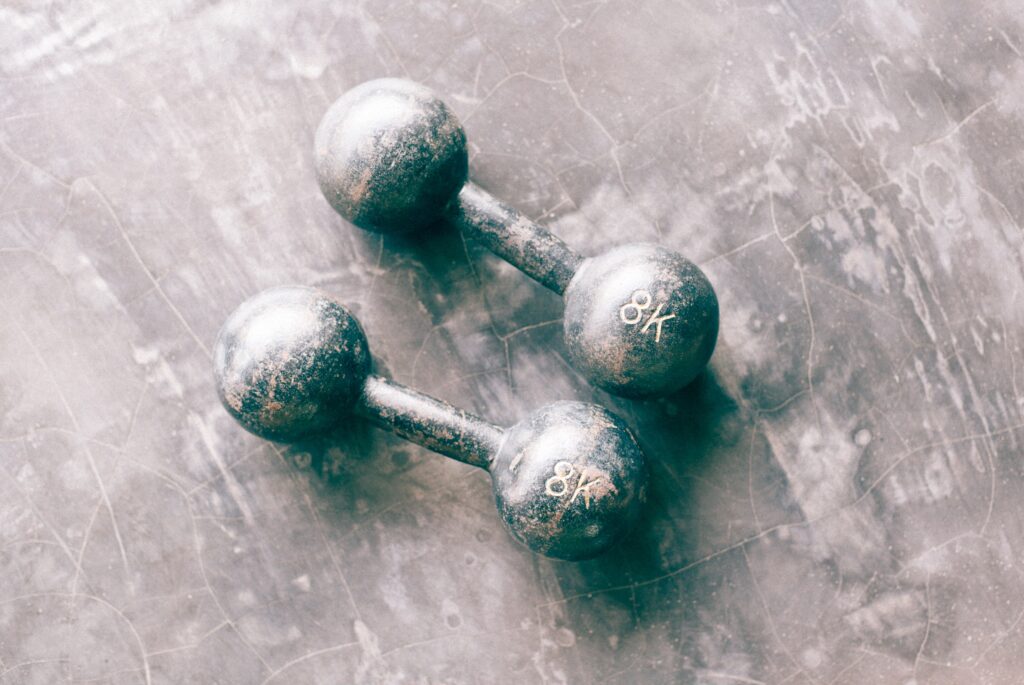
5 Strategies to Improve Functional Fitness Before we start, are you wondering what “functional fitness” is? And how it differs from physical fitness? Functional fitness focuses on exercises that support everyday life, to help you maintain movement. For example, squats are a functional exercise because they support your ability to sit, stand, walk and run. Physical fitness typically uses weights or some variation of resistance training to increase muscle mass and strength. Weight training targets a specific muscle group that you’re trying to build. I love weight/resistance training. It is so rewarding to see how you can shape your body, but it is also incredibly important for women as we age to increase bone density. Just be sure you start with a trainer so you are learning the proper movements and range of motion, and so you don’t get injured. Back to functional fitness. While you’re not likely to build the muscle mass with functional fitness as you would with physical fitness, you will build strength. Functional fitness also increases mobility, stamina and stability or balance which is huge as these tend to deteriorate as we age. With that, here are 5 ways to improve functional fitness: Incorporate bodyweight exercises. Exercises like push-ups, squats, lunges, and planks are great ways to improve functional fitness. These exercises can be done anywhere, require no equipment, and help to strengthen the muscles that are used in everyday activities. Use functional equipment. Using functional fitness equipment like kettlebells, resistance bands, pilates reformers and medicine balls can help to improve strength, balance, and coordination. These exercises help to target multiple muscle groups and simulate real-life movements. Focus on core strength. The core is the foundation of functional fitness. Strengthening the core muscles can help to improve posture, stability, and balance. Incorporating exercises like planks, sit-ups, and leg raises can help to improve core strength. Did you know that a lot of back pain is caused from a weak core? Strengthen your core and you’ll notice the difference in reduced back pain. Don’t forget balance and stability training. Balance and stability are essential components of functional fitness. Incorporating exercises like single-leg squats, lunges, and balance board exercises can help to improve balance and stability. More movement throughout the day. One of the best ways to improve functional fitness is to move more throughout the day. Walking, cycling, and swimming are great low-impact exercises that can help to improve cardiovascular health, endurance, and stamina. Incorporating movement into your daily routine can help to improve overall health and well-being. So next time, try to take the stairs! With functional fitness, you basically are doing it with every movement you make. By being aware, you can focus on the movement to get more out of it. Try to set aside time to do functional exercises 2-3 times a week, barring any individual restrictions. Choose exercises that you enjoy doing (for example, I hate burpees and refuse to do them!). You’ll be more likely to continue, and then it becomes part of your lifestyle. Think of it as functional fitness supporting your quality of life. Was this article helpful? *Disclaimer: This post is not intended to provide diagnosis, treatment or medical advice. Content provided is for information purposes only. Please consult with a physician or other healthcare professional regarding any medical or skin related diagnosis or treatment options. The statements made about specific products throughout this blog are not to diagnose, treat, cure or prevent disease. It is important that you check labels to determine if a product is right for you. Before starting any treatment at home consult a health care or skin care professional to determine if it’s right for you.
From Frustration to Flawless: The Journey to Clear Skin and Confidence

From Frustration to Flawless: The Journey to Clear Skin and Confidence Are you tired of looking in the mirror and seeing acne-covered skin staring back at you? Does the constant struggle with breakouts leave you feeling insecure and lacking in confidence? If so, you’re not alone. Acne affects millions of people worldwide and can have a profound impact on self-esteem. In this article, we are embarking on a journey together – a transformational journey from frustration to flawless skin and newfound confidence. We will delve into the causes of acne, unveil effective strategies for creating a skincare routine that works for you, explore the importance of nourishing your skin from the inside out, and discuss various treatment options. So, whether you’re a teenager battling hormonal acne or an adult dealing with persistent breakouts, this article is your go-to guide for achieving clear skin and embracing your natural beauty. Let’s begin this journey today and unlock the secrets to radiant, blemish-free skin that will leave you feeling unstoppable. Understanding the Causes of Acne In order to develop an effective skincare routine and address your acne concerns, it’s crucial to first understand the underlying causes of this common skin condition. Acne can be attributed to a combination of factors, including excessive oil production, clogged pores, bacteria buildup, hormonal imbalances, and inflammation. Each of these factors plays a role in the development of acne, and by gaining a better understanding of them, you can take targeted steps towards achieving clear and healthy skin. Excessive oil production, known as sebum, is a primary contributor to acne breakouts. When the sebaceous glands produce an excess amount of oil, it can mix with dead skin cells and clog the pores. This creates an ideal environment for bacteria growth, leading to the formation of inflamed pimples, blackheads, and whiteheads. Hormonal imbalances, especially during puberty or throughout the menstrual cycle, can increase sebum production, worsening acne symptoms. In addition to excessive oil production, bacteria called Propionibacterium acnes also play a significant role in the development of acne. These bacteria naturally exist on the skin, but they can multiply rapidly within clogged pores, triggering an immune response that results in inflammation and the formation of painful, red pimples. Furthermore, factors like stress, diet, and lifestyle choices can contribute to acne development. High stress levels can lead to hormonal imbalances and increased oil production, exacerbating acne symptoms. Similarly, consuming a diet high in processed foods, sugar, and dairy products has been linked to increased acne severity. Additionally, using comedogenic skincare and makeup products that clog the pores can contribute to breakouts. By understanding the causes of acne, you can customize your skincare routine to address each specific factor. This holistic approach will help you achieve clear skin by targeting oil production, controlling bacterial growth, reducing inflammation, and making lifestyle adjustments. In the next section, we will explore effective strategies for creating a skincare routine that works for you, allowing you to take the first steps towards achieving radiant, blemish-free skin. Creating a Skincare Routine that Works for You By understanding the causes of acne and the various factors that can contribute to its development, you can take a holistic approach to designing a skincare routine that works specifically for you. In doing so, you will be able to target oil production, control bacterial growth, reduce inflammation, and make necessary lifestyle adjustments. This comprehensive strategy will help you achieve clear, radiant skin that boosts your confidence and overall well-being. In the next section, we will delve deeper into nourishing your skin from the inside out, further enhancing the effectiveness of your skincare routine. Nourishing Your Skin from the Inside Out By now, you understand the importance of a well-designed skincare routine in achieving clear, radiant skin. However, it’s essential to remember that true skin health starts from within. By nourishing your skin from the inside out, you can further enhance the effectiveness of your skincare routine and achieve long-lasting results. One of the key aspects of nourishing your skin is maintaining a healthy, balanced diet. Consuming foods rich in antioxidants, such as fruits and vegetables, can help combat the oxidative stress that contributes to acne breakouts. Additionally, incorporating foods with anti-inflammatory properties, like fatty fish, walnuts, and green tea, can help reduce inflammation and support overall skin health. Hydration is another crucial factor in nourishing your skin. Drinking an adequate amount of water helps to flush out toxins and keep your skin hydrated, promoting a healthy complexion. Aim for at least eight glasses of water per day and consider incorporating hydrating foods, such as watermelon, cucumbers, and citrus fruits, into your diet. In addition to your diet, lifestyle factors play a significant role in nourishing your skin. Adequate sleep is essential for skin regeneration and repair, so aim for 7-9 hours of quality sleep each night. Stress can also wreak havoc on your skin, so finding healthy coping mechanisms, such as exercise, meditation, or engaging in hobbies, can help maintain a clear complexion. Furthermore, paying attention to any potential vitamin deficiencies can be beneficial for your skin health. Supplements like vitamin A, vitamin C, and omega-3 fatty acids have been shown to support skin health and can be considered as part of your overall skincare routine. By nourishing your skin from the inside out, you are complementing the external efforts of your skincare routine, ensuring that you are holistically addressing the underlying factors that contribute to acne breakouts. In the next section, we will explore effective acne treatment options, building upon the foundation you have established through nourishing your skin. Exploring Effective Acne Treatment Options By nourishing your skin from the inside out, you are complementing the external efforts of your skincare routine, ensuring that you are holistically addressing the underlying factors that contribute to acne breakouts. In the next section, we will explore effective acne treatment options, building upon the foundation you have established through
DIY: Chemical Peel

DIY: Chemical Peel Fall brings the start of peel season! If you’ve had peels done professionally, you know the best time to start a chemical peel regimen is once summer is over when people are exposed to lots of sun. This is because a chemical peel makes your skin more sensitive to sunlight, burning and a host of other side effects. Have you tried doing a chemical peel at home? I am a big fan of chemical peels and have had several peels in a professional setting, they are so great for giving you an extra boost of smoother, brighter more even tone skin. But I was really hesitant to do this on myself. It’s acid, after all. Why should you consider doing a chemical peel at home? Chemical peels are really effective, but can be expensive when done professionally on a regular basis. But what are the benefits of chemical peels? Here are a few, significant benefits: Resurfacing for smoother, brighter, clearer complexion Manage acne Reduce acne scarring Treat hyper pigmentation, age spots, sun damage anti-aging by reducing fine lines and wrinkles help with cell turnover Wondering what areas can you treat with a chemical peel? You might be surprised! Not only can you treat your face, but you can treat your eye lids (yes!), lips and ALL parts of the body (underarm and intimate areas!) as well. Chemical peels work on all skin types, but you should not do a chemical peel if you have any of the following conditions: Broken skin Infection or disease Have an active cold sore Have a sunburn Are pregnant or nursing Have used Accutane in the last 6 months Currently have psoriasis, dermatitis or rosacea Also, if you use vitamin A (retin-A, retinoid) discontinue 2 weeks prior to a peel. Instead of trying to detail out all the information on how to do a chemical peel from home given all the specific needs, I’m going to point you to an online company that specializes in providing product and instruction for chemical peels at home. The company is Platinum Skin Care. Their peels are professional grade and pure at the percentages, not blended. Platinum Skin Care is so knowledgeable and thorough with their content. They have many different types of peels for different skin conditions, a quiz to determine what kind of peel you would benefit from based on your needs, step by step videos, live Q&As and their own product line to support the pre and post treatment of your skin. You’ll have the confidence to do a chemical peel on yourself in the comfort of your own home in no time. You can check them out here: PlatinumSkinCare.com Was this article helpful? *Disclaimer: This post is not intended to provide diagnosis, treatment or medical advice. Content provided is for information purposes only. Please consult with a physician or other healthcare professional regarding any medical or skin related diagnosis or treatment options. The statements made about specific products throughout this blog are not to diagnose, treat, cure or prevent disease. It is important that you check labels to determine if a product is right for you. Before starting any treatment at home consult a health care or skin care professional to determine if it’s right for you. *Disclosure: some links may be affiliate links where I may get a small commission at no additional cost to you.
How to: Dry Brushing Protocol
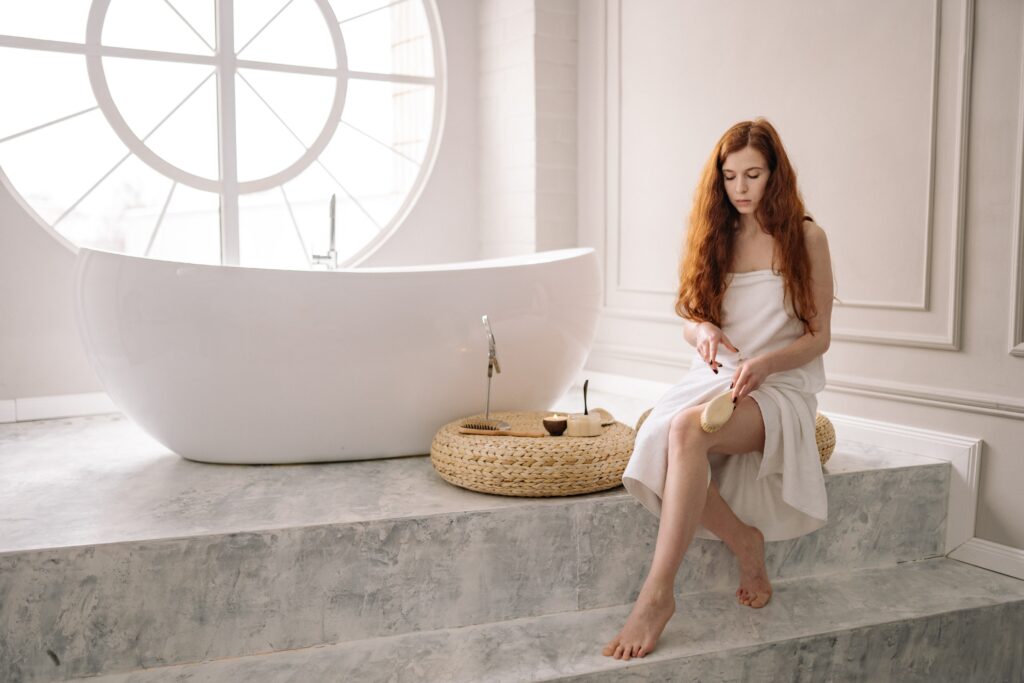
How to: Dry Brushing Protocol The secret to smooth, healthy skin! This blog is written with generally healthy people in mind. If you have any health concerns, skin lesions, lymphedema or other similar concerns, consider consulting with a professional that specializes in those concerns before introducing dry brushing into your routine. The most common way of dry brushing that you see everywhere, has you start brushing from the feet and work your way upward toward the heart. But after researching this further, this method may not be the best procedure as there could be blocks in the lymphatic system further up that would compound if you are brushing more fluids to the area. Because of this, the following protocol works with the lymphatic system to allow for proper lymphatic drainage. Benefits of dry brushing While this protocol targets the lymphatic system, there are several other significant benefits of dry brushing: Exfoliates skin Stimulates collagen production Unclogs pores Increase blood circulation Increase skin smoothness Reduce the appearance of cellulite Detoxes skin and eliminates toxins from your body Promotes lymphatic drainage Protocol Let’s begin! Start with dry, bare skin without any lotion or oils on it. Use a natural, soft bristled brush. It’s helpful to have a hand held brush and another with a long handle to reach your back. This is a good option: https://bestbeautyhacks.com/drybrushes Think of your body in 4 sections. Each leg is a section up to your waist, and each arm is a section from your abdomen up to your collar bone. Start with your abdomen, where the lymph nodes are deeper to stimulate. Brush or massage your abdomen in a circular motion 3-5 times. Then begin with the lower sections. Instead of beginning at the foot, start at the thigh/upper leg. Brush with short, gentle but firm strokes upward toward your groin, 3 to 5 times. Be sure to brush all sides of the upper leg, brushing the back of the leg to the front where the lymph glands are. Then brush all sides of the knee, brushing upward. Be sure to get the back of the knee as there are lymph glands behind the knee. Continue down the leg to the calf, brushing upward in short, gentle strokes. Then brush the feet, including the toes and the sole of the foot. Once you’ve finished brushing the foot and ankle, work your way back up the calf, knee, thigh and waist to the groin. Do the same to the other leg. Now you can work on the upper sections. Brushing upward from your abdomen on one side up toward your armpit, and brushing your back by pulling the brush from your spine around your side to the front of your body. Do this for your torso and shoulder, front and back – brushing toward the armpit. Then brush the arm the same way you brushed the leg, starting with the upper arm and brushing all sides toward the armpit. Next, brush your elbow, forearm, hands and fingers. Once you are done brushing your hand, work your way back up your arm brushing each section of your arm to your armpit. And you’re done! Be very gentle when you first start dry brushing, as your skin may seem sensitive to it. As you continue to dry brush, you’ll be able to use firmer pressure. Adjust to your skin’s responses, as it shouldn’t be painful. Contraindications of dry brushing Do not dry brush over areas of the skin with the following concerns: Broken skin or lesions Inflammation Infection Cellulitis Skin cancer If you get nauseous while dry brushing or shortly after dry brushing, this is common and due to the lymphatic drainage. Drink plenty of water to flush your system. FAQs How often should you dry brush? Dry brushing can be done daily if you’re gentle, but generally 2-3 times a week is sufficient. When is the best time to dry brush? In the morning, before a shower as it stimulates blood circulation and invigorates your body. Do I need to shower after I dry brush? No, you don’t have to shower after you dry brush but it helps remove all the dry skin you just exfoliated. How soon before you see results? You’ll notice softer skin that is less dry and itchy in the first few days to two weeks. Can you dry brush breasts? Absolutely! Toxins get trapped in the breast tissue from wearing bras. Dry brushing breasts will promote lymphatic drainage and prevent blockages in the lymph glands around the breasts. Are there any side effects of dry brushing? Your skin can become irritated or inflamed if you are dry brushing too hard or too often. You can also get nauseous while dry brushing or shortly after dry brushing. This is common and due to the lymphatic drainage. Drink plenty of water to flush your system. For more information on dry brushing for lymphatic drainage, check out Cancer Rehab PT on Youtube. Kelly is a wealth of valuable information on this topic. Was this article helpful? Please share your tips for dry brushing! *Disclaimer: This post is not intended to provide diagnosis, treatment or medical advice. Content provided is for information purposes only. Please consult with a physician or other healthcare professional regarding any medical or skin related diagnosis or treatment options. The statements made about specific products throughout this blog are not to diagnose, treat, cure or prevent disease. It is important that you check labels to determine if a product is right for you. Before starting any treatment at home consult a health care or skin care professional to determine if it’s right for you. *Disclosure: some links may be affiliate links where I may get a small commission at no additional cost to you.